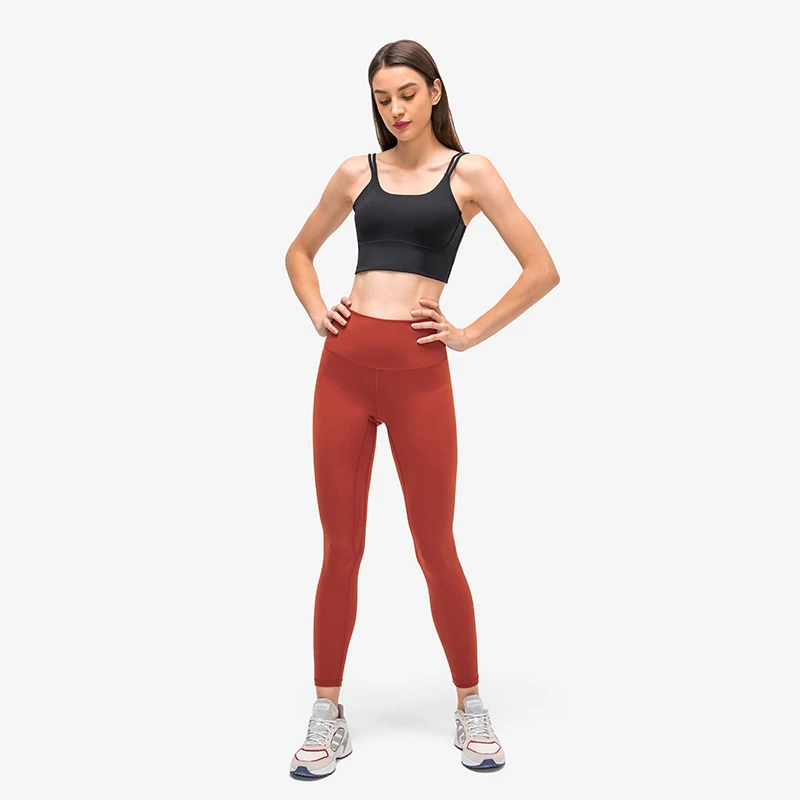
leggings
Yoga wear manufacturer
Leggings first, then the shorts, skirts, tanks, sports bras and matched sets that make up a yoga range. Made for brands rather than for a marketplace listing — private label, OEM and ODM, in the fabric and the size grade you sell.
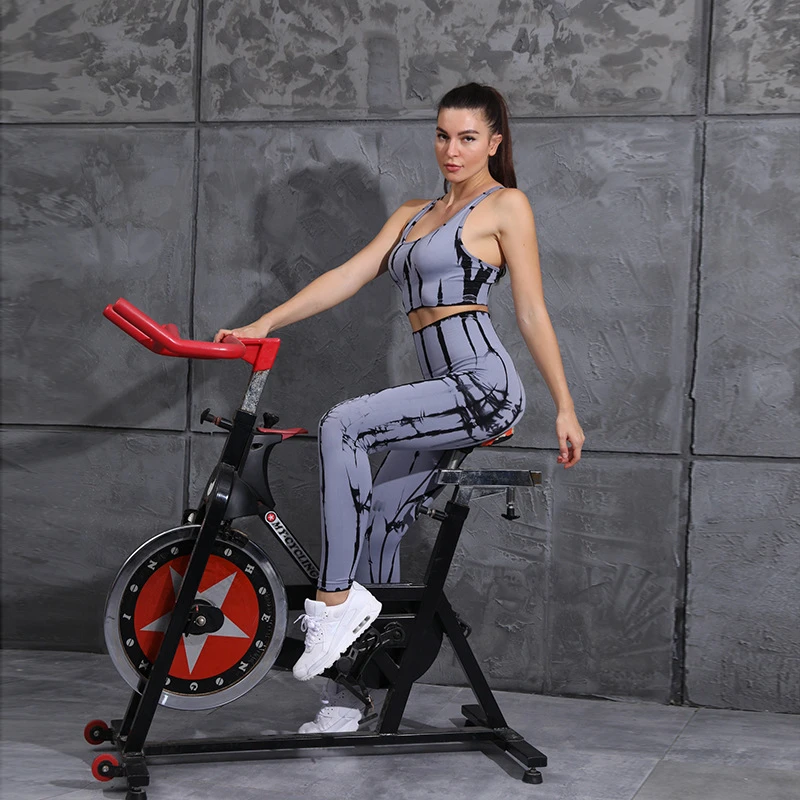
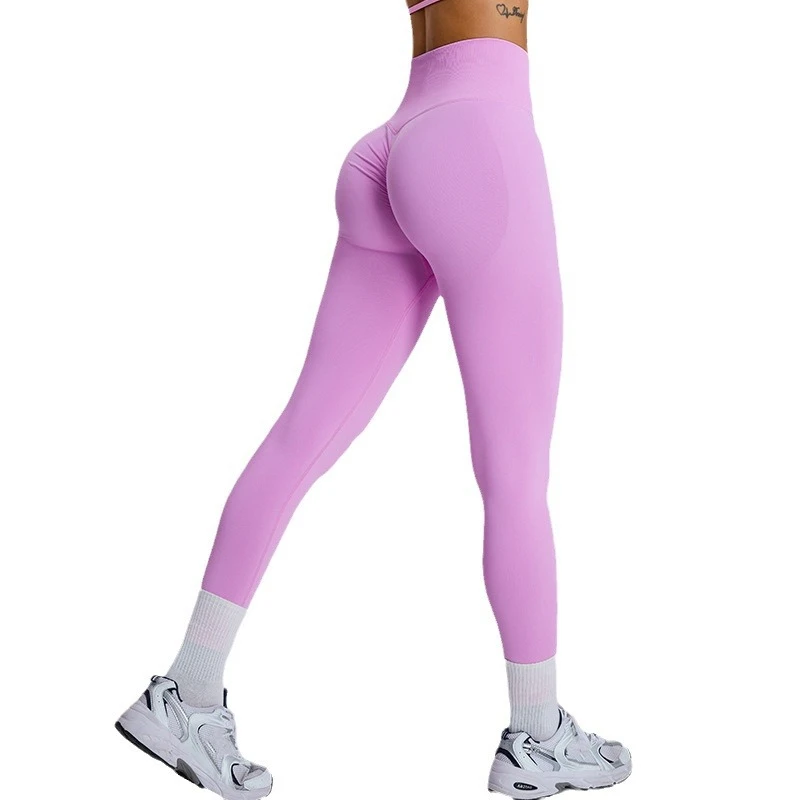
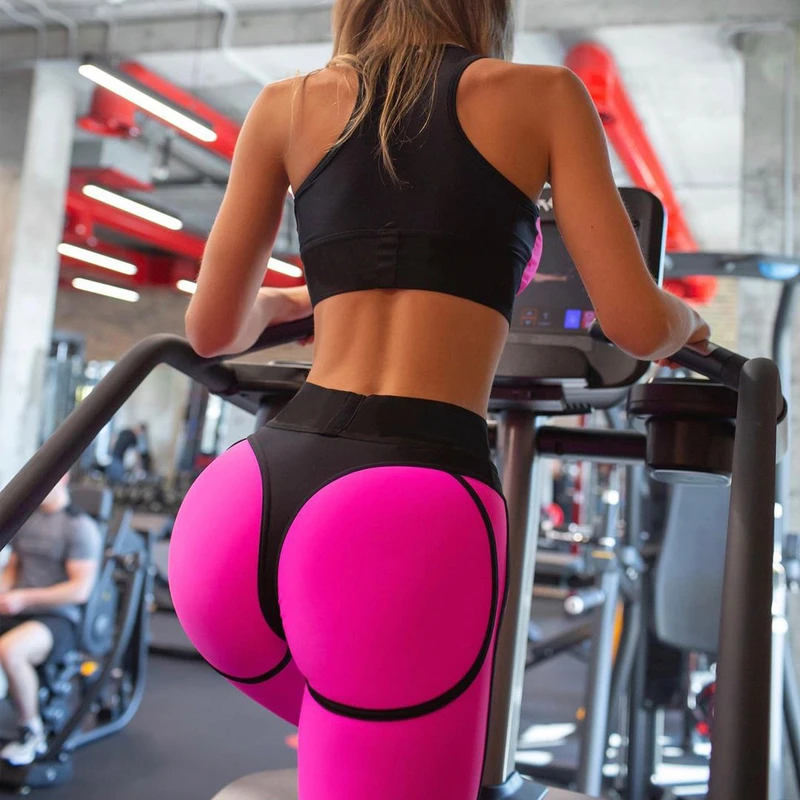
The range
Leggings are the main line. The rest of the range exists because that is how a yoga collection is actually bought — a buyer assembles a set, not a single garment.
The catalogue
Every style currently on file, across Yoga Leggings, Yoga Shorts, Yoga Tops, Sports Bras, Yoga Sets, Yoga Skirts, Yoga Jumpsuits. Each one opens on its own page with the colours available and an enquiry route for fabric, quantity and price.
leggings
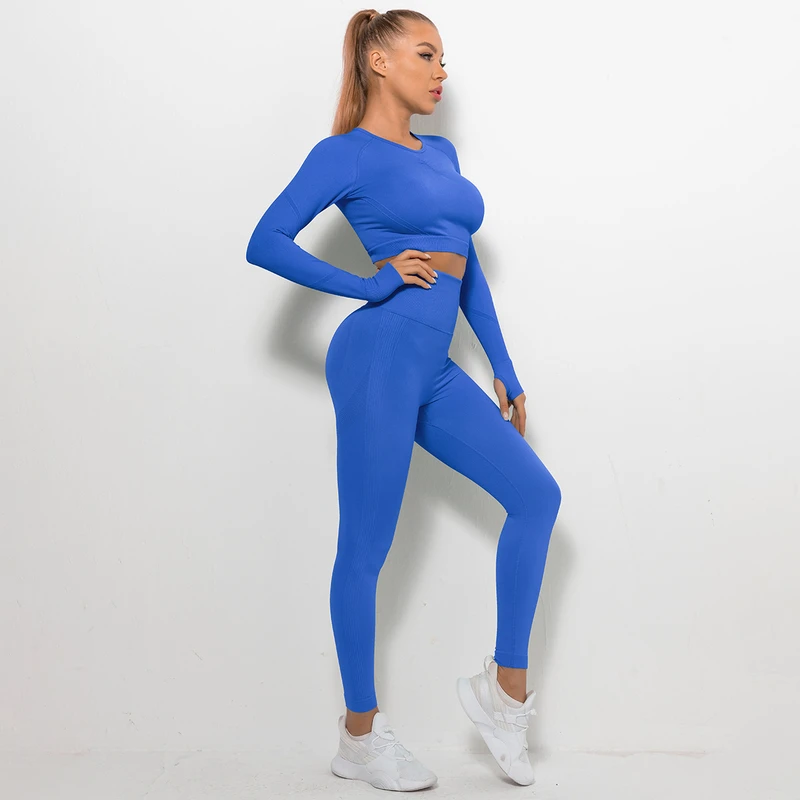
leggings / tops / set
set
leggings
leggings
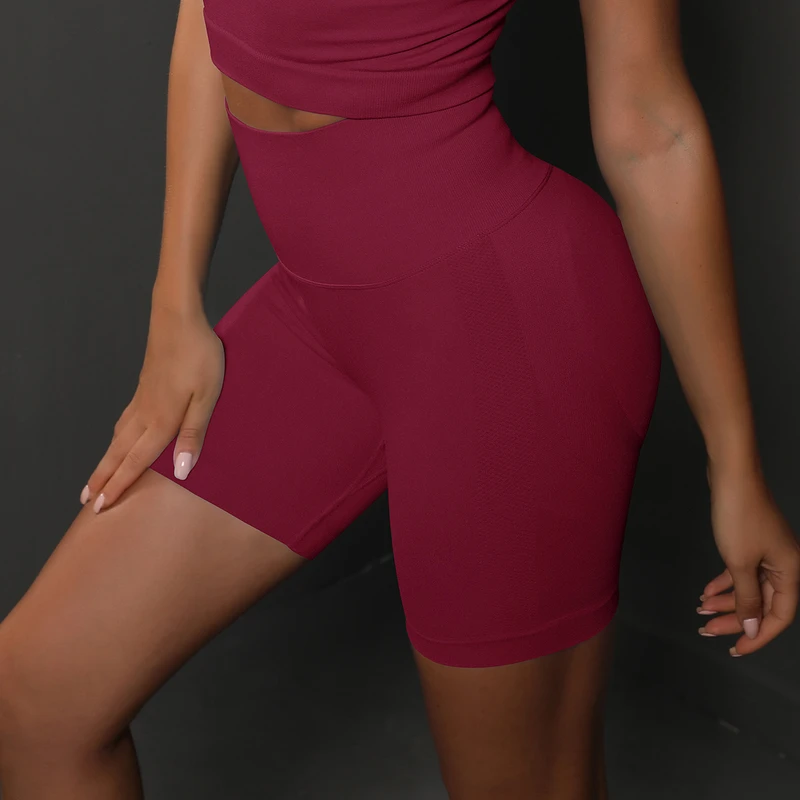
leggings / shorts / set
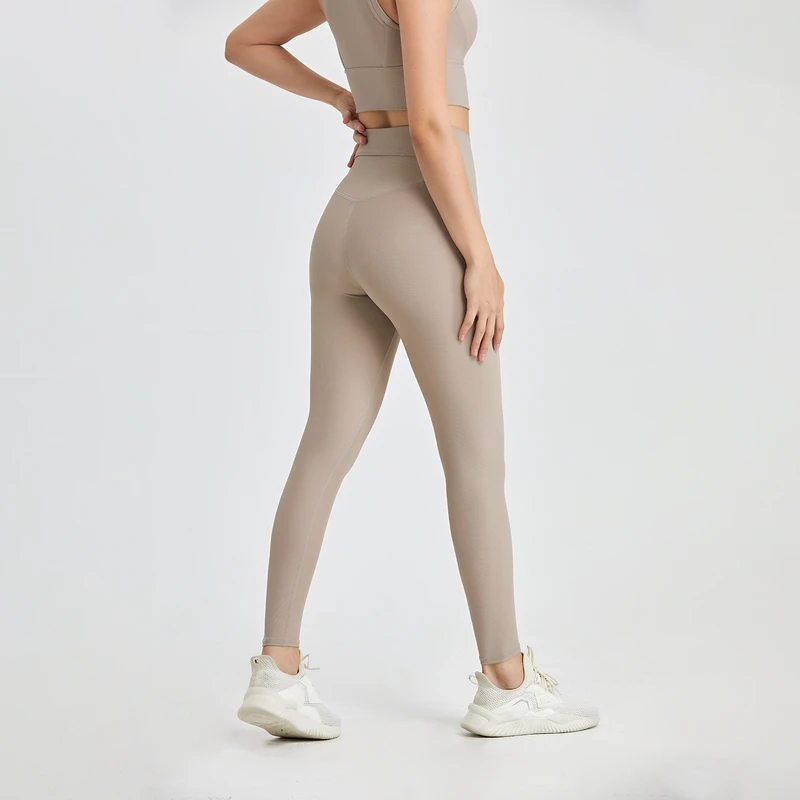
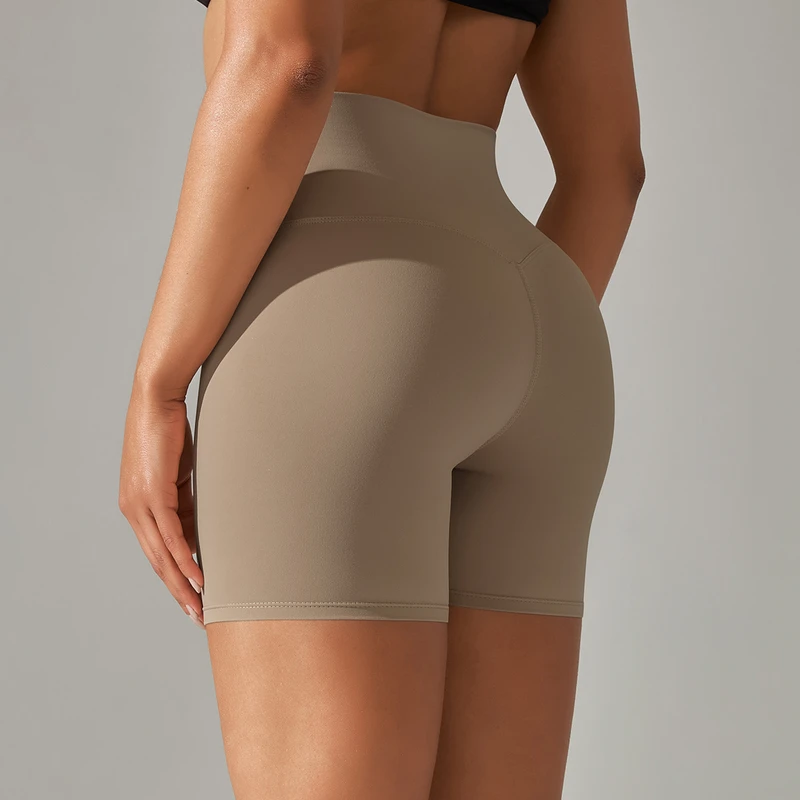
shorts
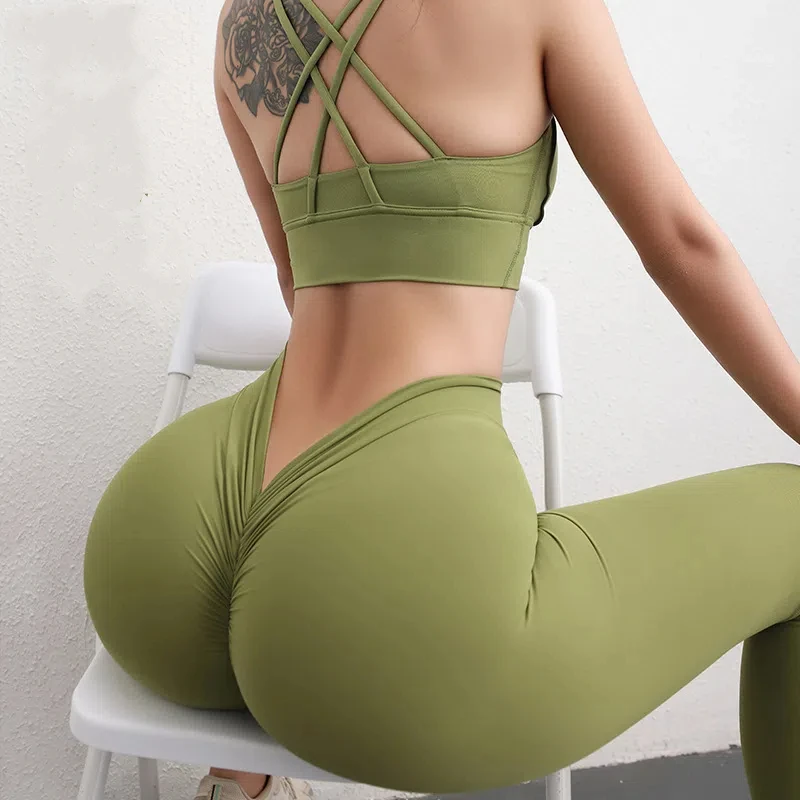
leggings
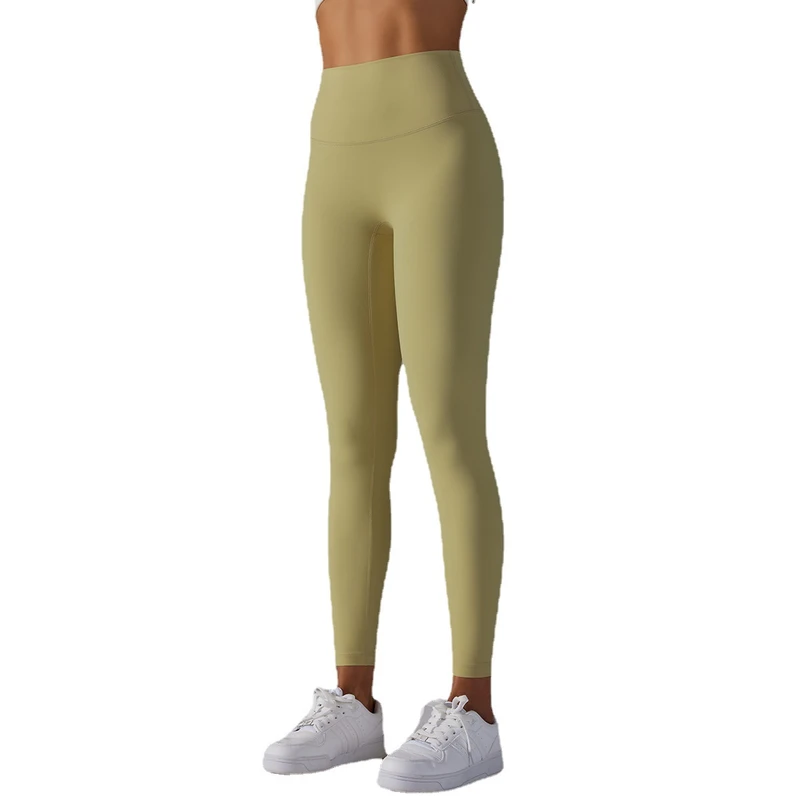
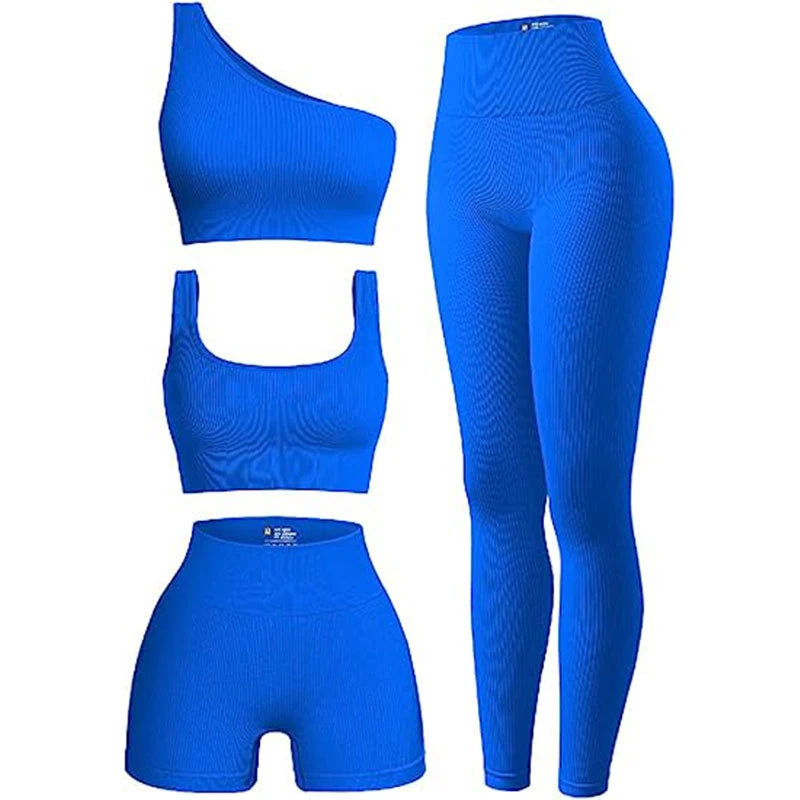
set
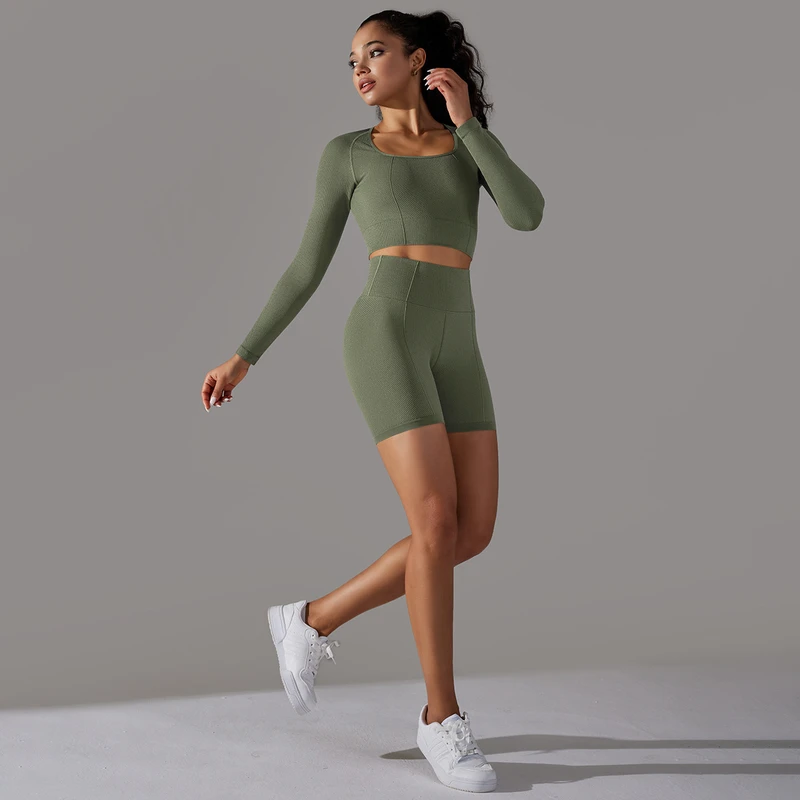
set
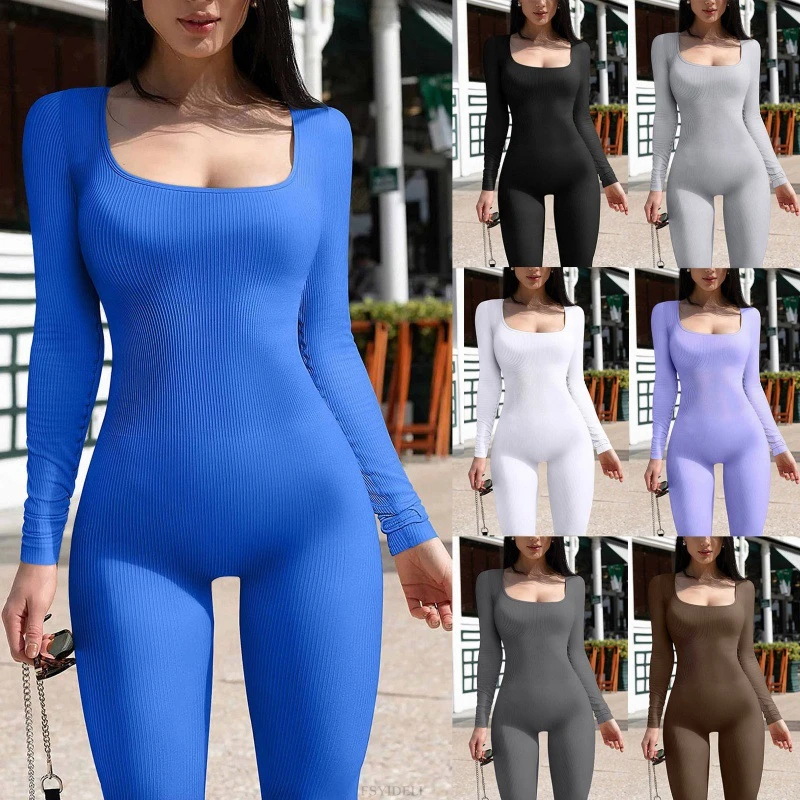
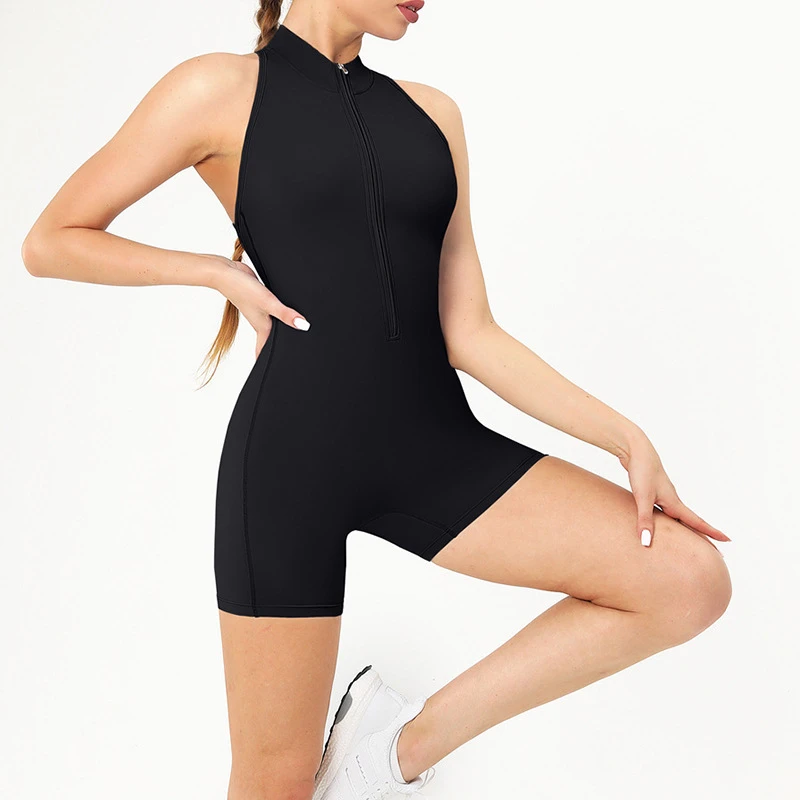
jumpsuit
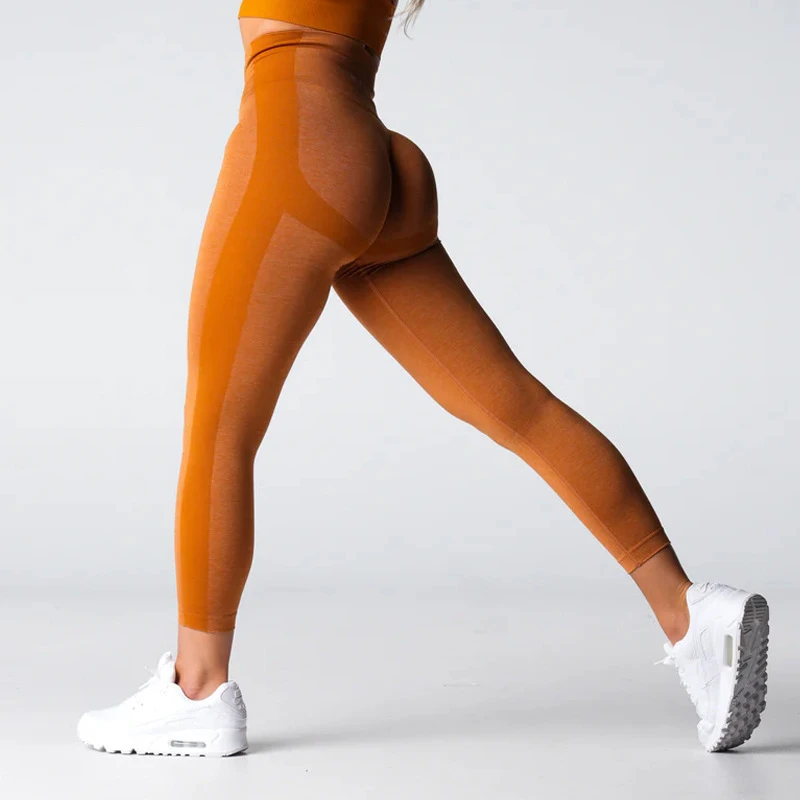
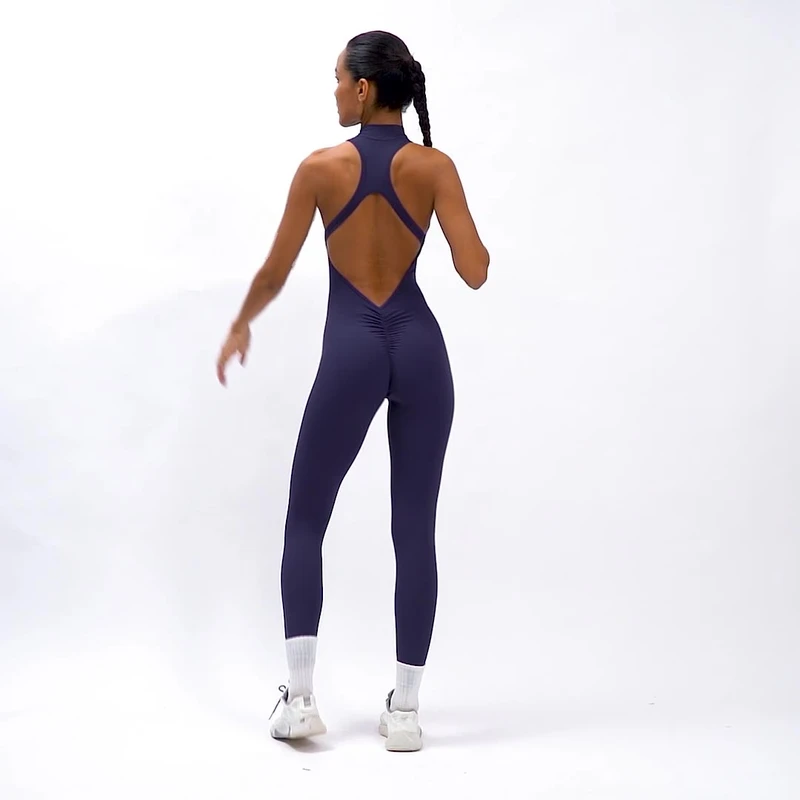
jumpsuit
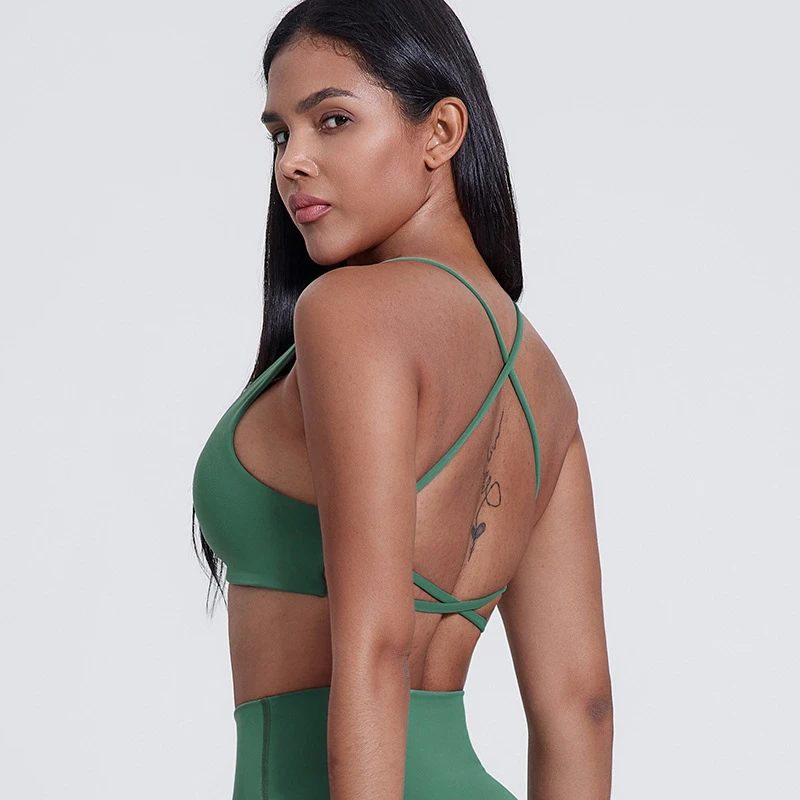
bra
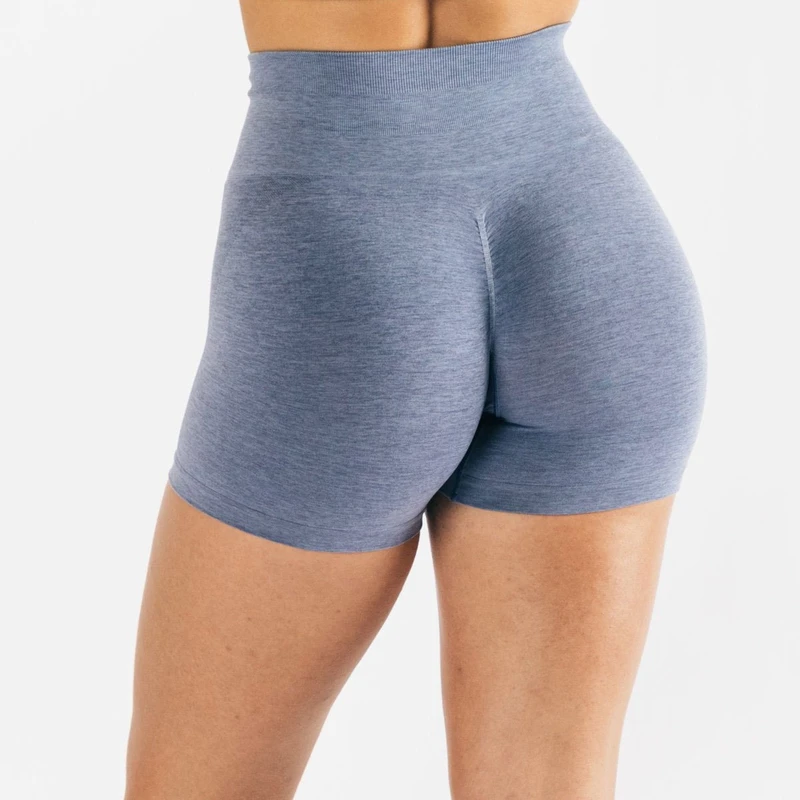
shorts
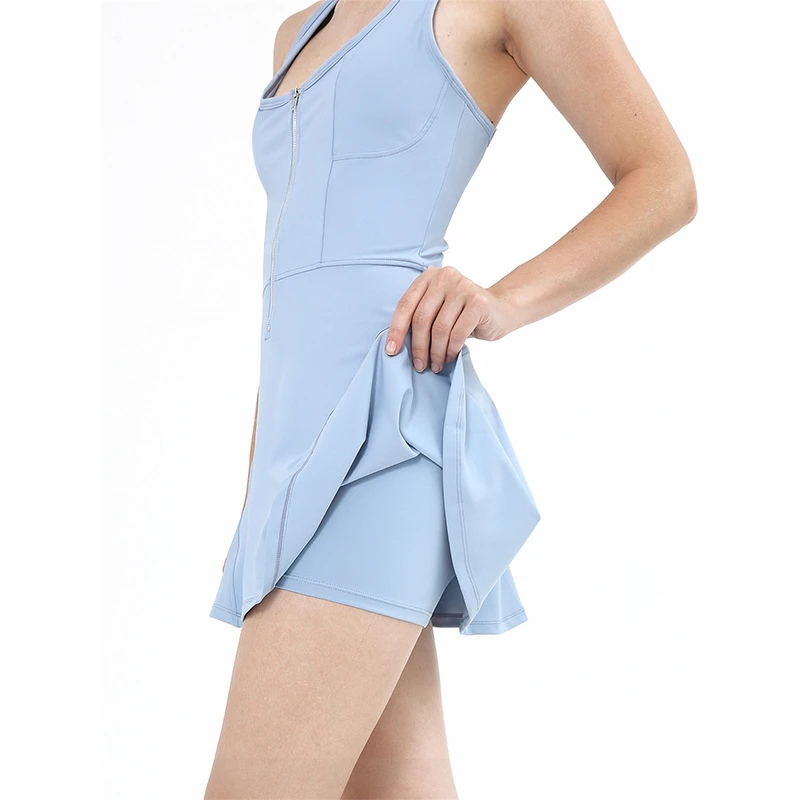
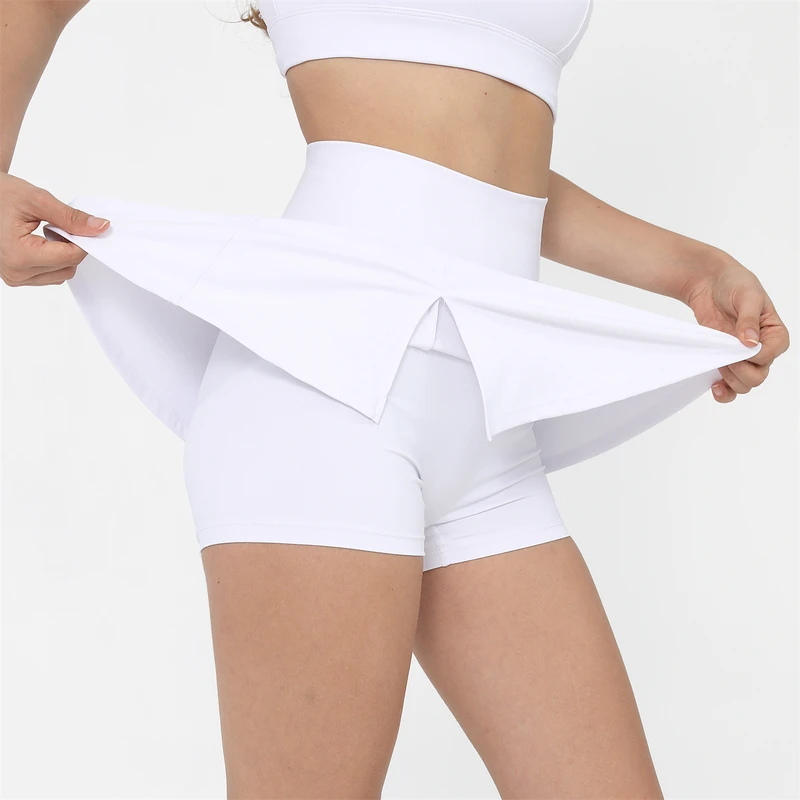
skirt
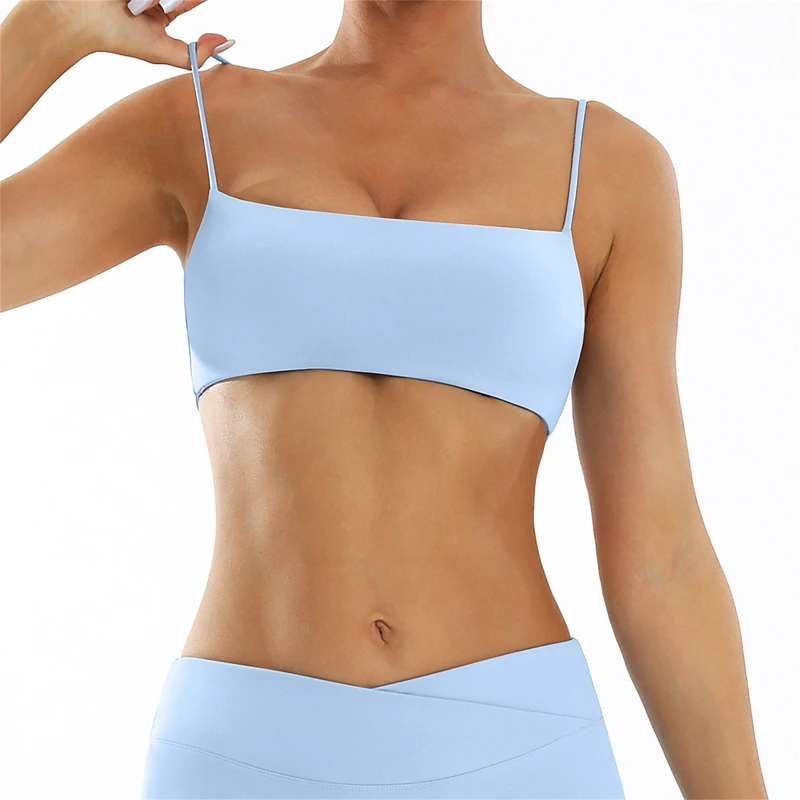
bra
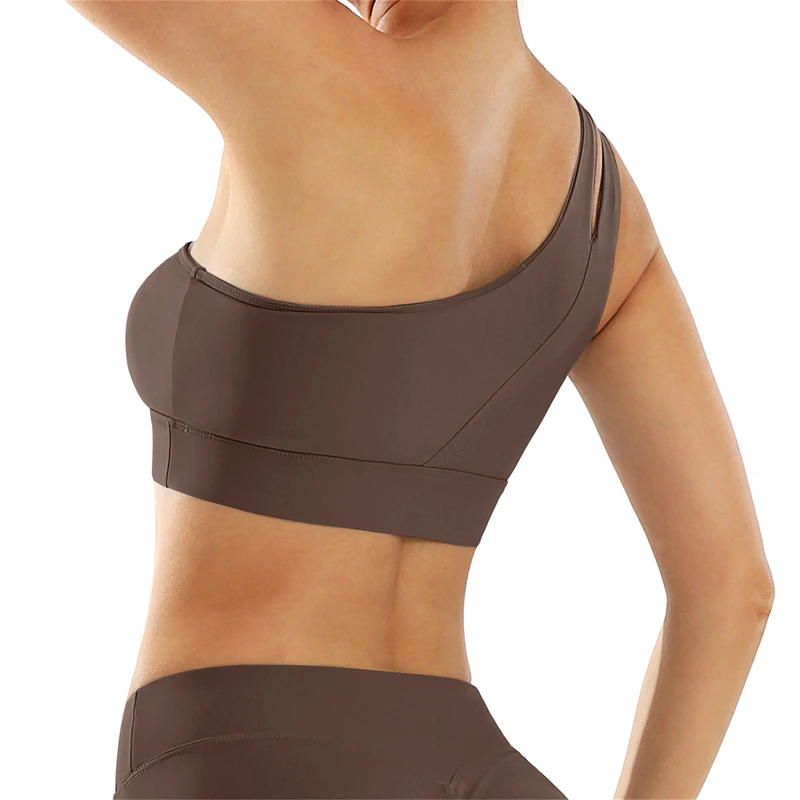
bra
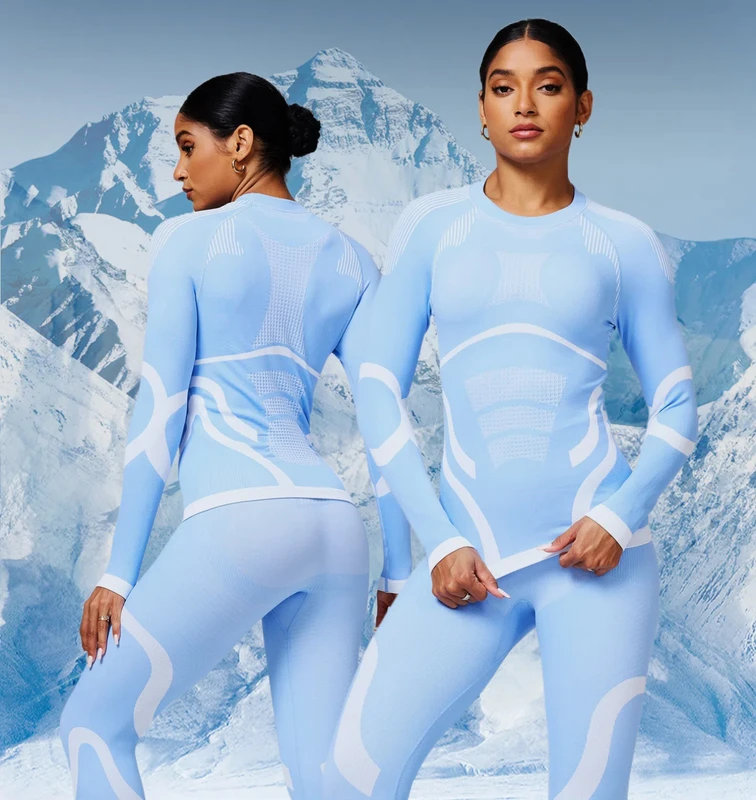
set
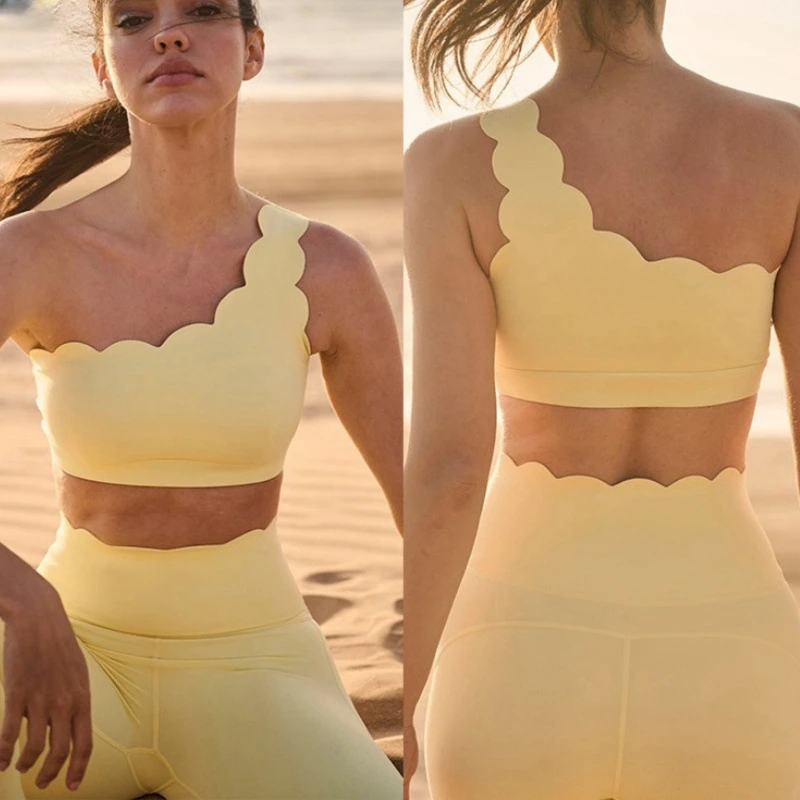
leggings / tops / set
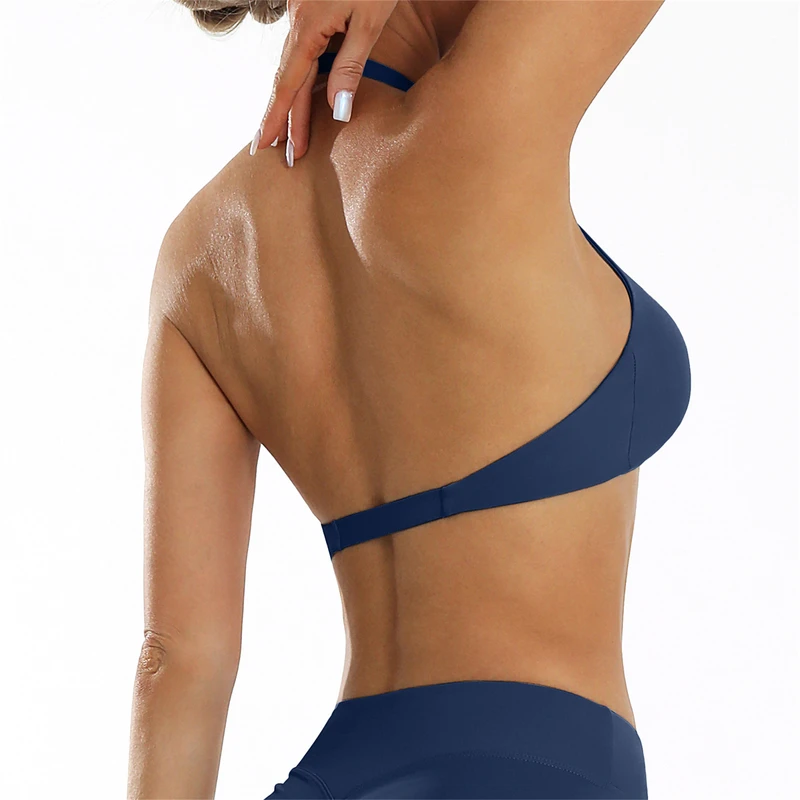
bra
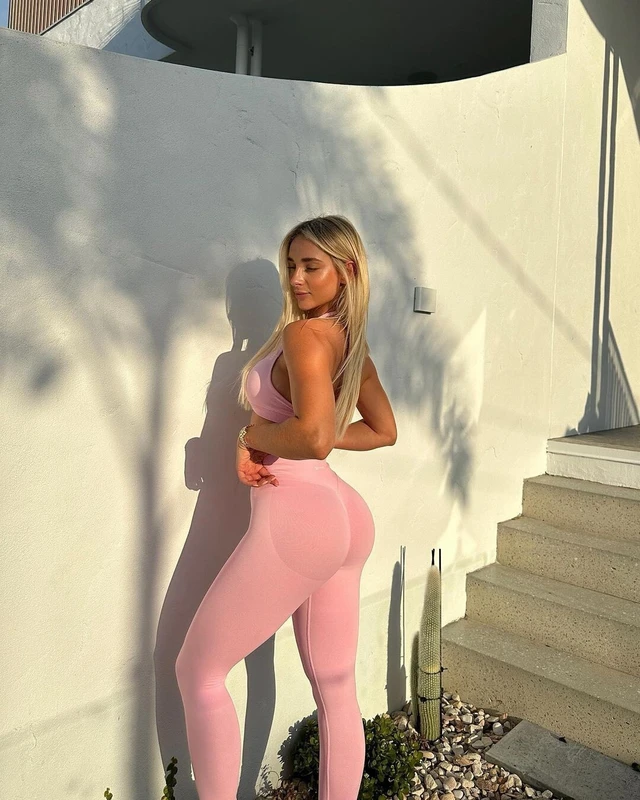
leggings / shorts / set
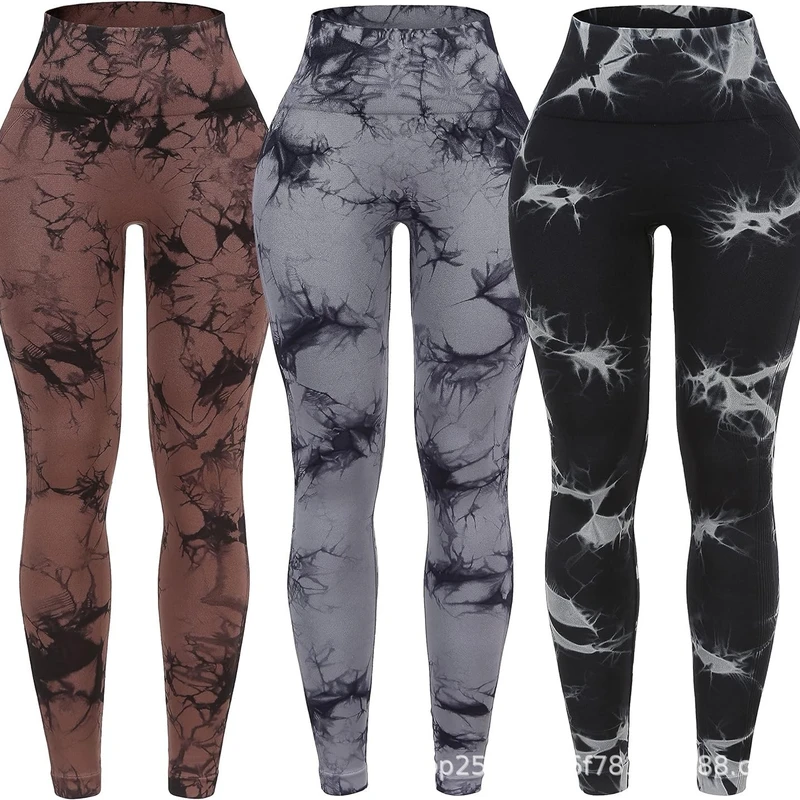
leggings
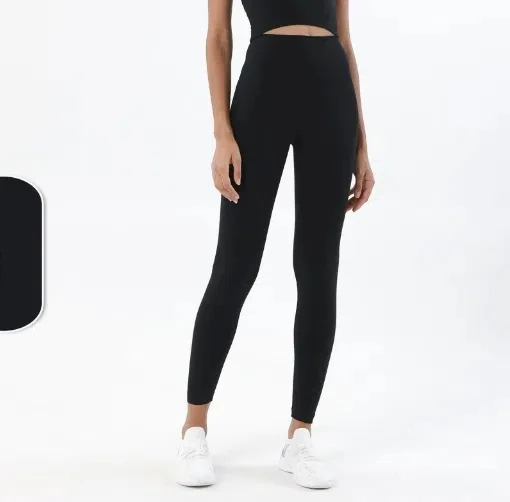
leggings
Constructions
A construction is not a colourway. These are the rise, waistband, seam and leg shapes that change the pattern — and the ones a buyer usually means when they describe the legging they want made.
A wide, self-fabric waistband that stays put through a flow rather than rolling down.
Read more →Knitted in the round with no side seam, for a smooth line under a top and less bulk at the hip.
Read more →The nude-feel hand that yoga buyers ask for: brushed on the inside, matte on the outside.
Read more →A higher front panel and a firmer knit through the midsection, without a corset feel.
Read more →A vertical rib that adds texture and a little extra stretch recovery in the fabric.
Read more →Fitted through the thigh and flared from the knee, in the softer fabrics rather than performance knits.
Read more →Cropped at mid-calf or just below the knee, cut to the same rise as the full-length legging.
Read more →A gathered centre-back seam for shape. Fabric recovery matters more here than anywhere else.
Read more →A V-shaped wrap waistband that sits lower at the front and higher at the sides.
Read more →Side pockets set into the seam, sized for a phone, cut so they do not gape when the legging is on.
Read more →All-over print, placement print or tie-dye. Bring artwork or ask us to work from a reference.
Read more →Recycled and lower-impact fabric options. Certification can only be claimed where the mill supplies it.
Read more →Fabrics
Soft, squat-proof and buttery are descriptions. Weight, stretch, recovery and opacity are numbers a buyer can hold a supplier to, so that is how the fabric is specified here.
The fabric libraryBriefing us
Most quotes stall because one of these is still open. Send all six in one message and the reply carries a unit price, a minimum and a lead time for the quantity you asked about.
A photograph, a sample garment, or a style from the range. A reference piece beats a description.
Weight, stretch and hand feel. If you are not sure, ask for the swatch card before choosing.
A colour reference, a swatch you send, or a stock colour from the range.
The size range you sell, and the measurements you need held to.
Dyeing carries the minimum, not cutting, so quantity is quoted per colour rather than per style.
Your woven label, care label, hang tag, and how the cartons should be packed.
How we work
Five stages, and each one gates the next. The two that most often need a second round are the fit and the colour, which is why both are approved against a retained standard before production starts.
We agree the style, the fabric and the size grade. Nothing is cut until these three are settled.
A wear-test piece is made in the agreed fabric and colour so the fit can be judged on a body.
Rise, waistband depth, inseam and through-the-thigh are adjusted until the fit is right.
The fabric and the colour are signed off against a retained standard, which is what a repeat order is checked against.
The run is cut, sewn, checked against the approved sample, then labelled and packed.
Range planning
Brands rarely buy one garment. A collection is assembled from a small set of pieces that have to sit together, which is why fabric and rise are decided once and carried across the range.
The anchor piece. Everything else in the range is chosen to sit with it — rise, waistband depth and fabric all start here.
The same block cut shorter, so a summer drop does not need a second fit approval.
Studio and summer lengths. Cut from the legging fabrics so a set matches exactly.
Low to medium support, designed with the legging rather than alongside it — legging plus bra is the most common way a yoga range is bought.
The layer that makes the range wearable outside the studio.
Legging and top sold as one unit. This is what most suppliers ship and most brands put on the front of the collection.
For yoga, tennis and golf ranges, built over the same inner shorts as the leggings.
Buyer vocabulary
Most sourcing disagreements come from a word meaning one thing to a buyer and another to a workshop. These are the terms that come up most, with the measurement behind each one.
Fit blocks
Two ranges need a pattern of their own rather than a graded version of the straight sizes, because scaling up is what makes a waistband roll and a fabric go thin over the hip.
Graded from its own block rather than scaled up from the straight sizes, which is what stops the waistband rolling and the fabric going thin over the hip.
Read more →An over-bump panel or a low under-bump rise, in a fabric with enough recovery to keep its shape through the whole pregnancy.
Read more →Quality control
What gets checked before a carton is closed and how each check is done: fabric weight and stretch, colour under standard lighting, opacity under stretch, stitching, and the graded fit.
The full inspection listHow to work with us
Three routes, depending on how far along your design already is. Most brands start on private label with a style from the range and move to OEM once the fit is settled.
Your label, your colours, your packaging. The most common way brands start with us.
Read more →Bring us a design and we build to it, or pick a style from the range and change the fabric, colour, print or trims — the quicker route when you are testing a category.
Read more →A clear list of everything that can change — fabric, colour, print, fit, size grade and branding — so the whole brief can go in one message instead of five.
Read more →How the workshop is organised, who is responsible for what, and what we will show you — photographs and a walkthrough — before you place an order.
Read more →Sourcing guides
What a minimum actually counts, how fabric weight decides how a legging feels, and how opacity gets tested before a run rather than after a complaint.
Why the minimum is usually counted per colour rather than per style, and how to test a design without over-ordering.
Read the guide →What fabric weight actually tells you about how a legging feels, and where the description stops being useful.
Read the guide →The same silhouette, two different fabrics. What yoga buyers care about, and what gym buyers will not accept.
Read the guide →Opacity is measurable. How buyers verify it before a run rather than after a complaint.
Read the guide →From first message to packed carton: what happens at each stage and which decisions block the next one.
Read the guide →Three routes to a finished order and why they take very different amounts of time.
Read the guide →Before you enquire
Answered the same way here as they are by email — including the ones where the honest answer is that the number moves with the order.
We do not publish a minimum we cannot hold to. The floor is set by the fabric and the dye lot, so it moves with the colour and the style you choose. Tell us the style, the fabric and the quantity you have in mind and the minimum comes back with the quote.
Yes. Send the garment and we work from it: fabric weight, stretch, rise, inseam and size grade, followed by a wear-test piece before any production run.
Yes. Leggings are the main line, with shorts, skirts, tanks, sports bras and matched sets made from the same fabrics so the range reads as one collection rather than a pile of separates.
It depends on the fabric, the quantity and the season, so it is given per enquiry rather than published as a flat figure. The decisions listed above are the ones that move it most.
Yes. Woven labels, printed care labels, hang tags and packaging are all part of private label production, and they are quoted with the garments rather than added afterwards.
The fabric is stretched as it would be worn and checked against a contrasting background in daylight. The check is done in the lightest colour in the range, because the fabric that passes in black is the one that fails in white.
Tell us the style, the colours and the quantity.
Send a reference photograph or a style number and the reply comes back with fabric options, the minimum for the colour you picked, and a lead time for the quantity.