Sourcing guide
GSM and Buttery-Soft Fabric: Reading the Numbers
What fabric weight actually tells you about how a legging feels, and where the description stops being useful.
In this guide
Grams per square metre is the one fabric number every buyer asks for and the one most often misread. It tells you how heavy a fabric is, and almost nothing else. Two fabrics can carry the same GSM and feel completely different in the hand, which is why a swatch beats a specification whenever a range is being chosen.
This guide covers what GSM does and does not measure, what actually produces a soft hand, and how to brief for a feel instead of an adjective.
Section 1 of 4
What GSM measures, and what it does not
GSM is weight per unit area. A heavier fabric generally drapes less, holds its shape more and feels more substantial, which is why buyers use it as shorthand for quality. But weight is a consequence of the yarn and the knit structure, not a description of them.
A fine-gauge knit in a heavier yarn and a coarse-gauge knit in a lighter yarn can land on the same GSM and behave nothing alike. One will feel dense and smooth, the other airy and textured. Opacity, recovery and hand feel all vary independently of the number, so GSM narrows the field but does not decide it.
Section 2 of 4
What creates the soft hand
Three things, in order of how much they matter. The yarn comes first: finer filament yarns produce a smoother surface, and the fibre type decides how the fabric feels against skin. Brushing or sanding the inside comes second — it lifts a fine fuzz that reads as warmth and softness. The finish applied at the mill comes third, and it is what most buyers are actually feeling when they describe a fabric as buttery.
Because the finish is a mill process rather than a fibre property, it can be specified, and it can be lost. A fabric that feels soft as a swatch can feel flatter after washing if the finish was surface-only. Ask how the hand survives a wash, and ask for a washed swatch if the range will be sold on feel.
Nylon content is worth understanding here. Blending nylon into a polyester or polyamide knit usually improves the hand and the recovery at the same time, which is why so many yoga fabrics are not a single fibre.
Section 3 of 4
Opacity is a separate question
A heavy fabric can still go sheer over a light colour. Opacity depends on how much light passes through when the fabric is stretched, and stretching opens the knit structure. A fabric that is opaque at rest becomes translucent across the knee and the seat, which is exactly where a legging is stretched most.
That means opacity has to be assessed under stretch, in the lightest colour in the range, not in black. A black swatch will pass almost any test. If the range includes white, pale pink or a light grey, test the fabric in that colour or accept that the test told you nothing.
Section 4 of 4
How to brief for a hand feel
Send a garment. A reference piece removes the ambiguity that words introduce, and it gives the supplier something to check a swatch against rather than something to interpret. If you do not have a reference, describe the three properties separately — how soft, how thick, and how much it should hold its shape — rather than using a single word for all three.
Then ask for two or three swatches across the range rather than one recommendation. Choosing between three fabrics you can hold is a ten-minute decision. Choosing between three descriptions is a week of emails.
In short
GSM is a starting filter, not a specification. Buy on a swatch, test opacity under stretch in the lightest colour, and ask how the hand feels after a wash before the range depends on it.
Fabrics
What the fabric is specified in
Four parameters decide whether a legging feels right and stays opaque. They are agreed before sampling so the first sample is judged against a number rather than an impression.
Fabric
Fabric questions, answered
Is a heavier fabric always less see-through?
No. Weight and opacity are different measurements, and a heavy fabric can still go sheer over a light colour. Opacity has to be checked under stretch.
What makes a legging feel buttery?
The yarn, the brushing and the finish applied at the mill. Two fabrics at the same GSM can feel completely different, which is why a swatch beats a specification on its own.
Can you match a fabric we already use?
Send a piece of it. Weight, stretch and composition can be matched or brought close, and the swatch is checked against your reference before sampling.
Do you offer recycled options?
Recycled and lower-impact fabrics are available as options. A certification can only be claimed where the mill supplies it, so it is confirmed per fabric rather than assumed.
From the range
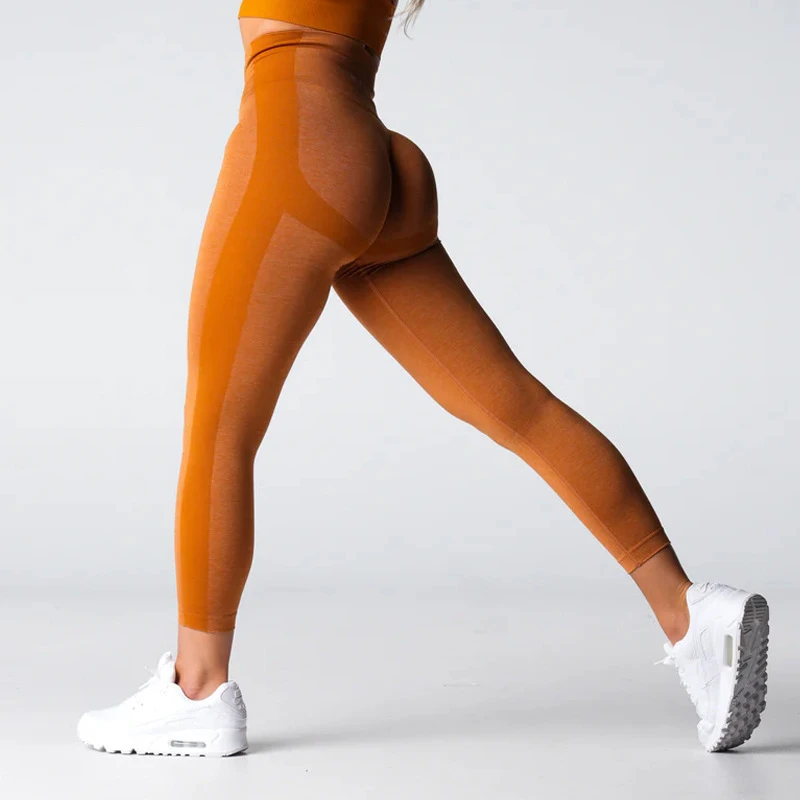
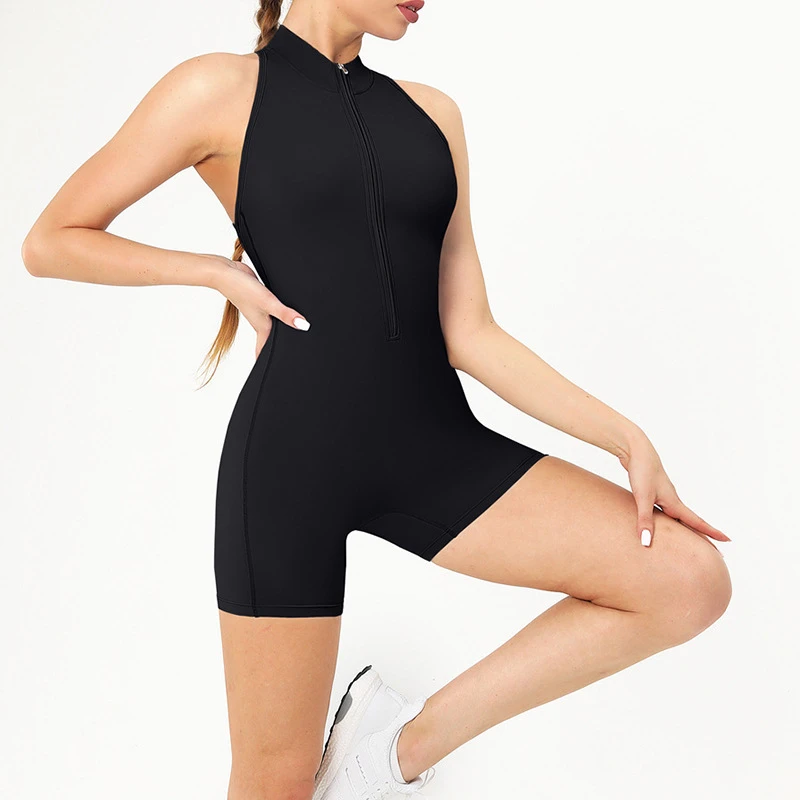
Styles these decisions apply to
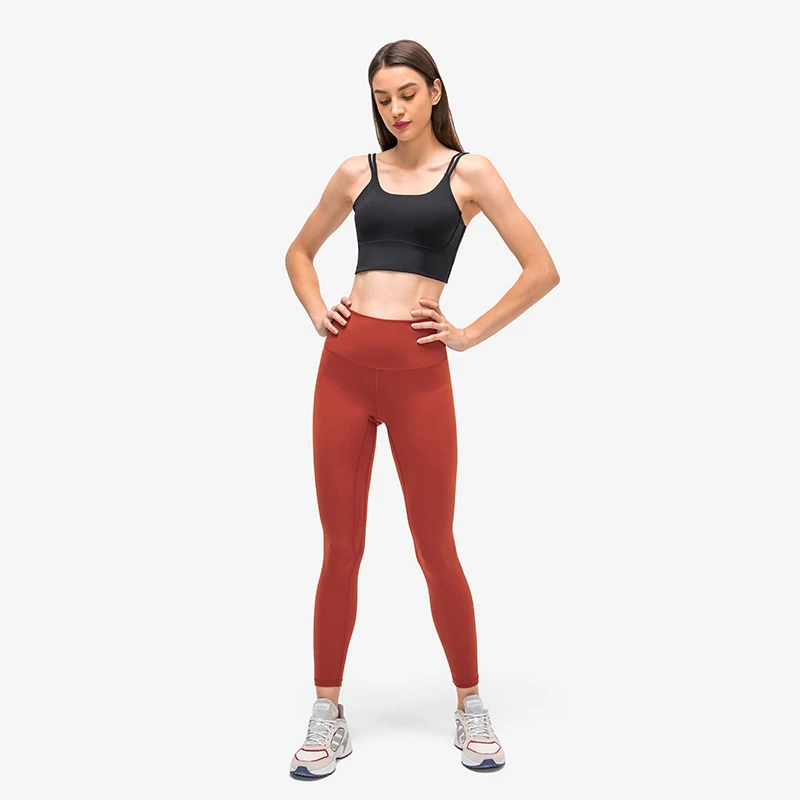
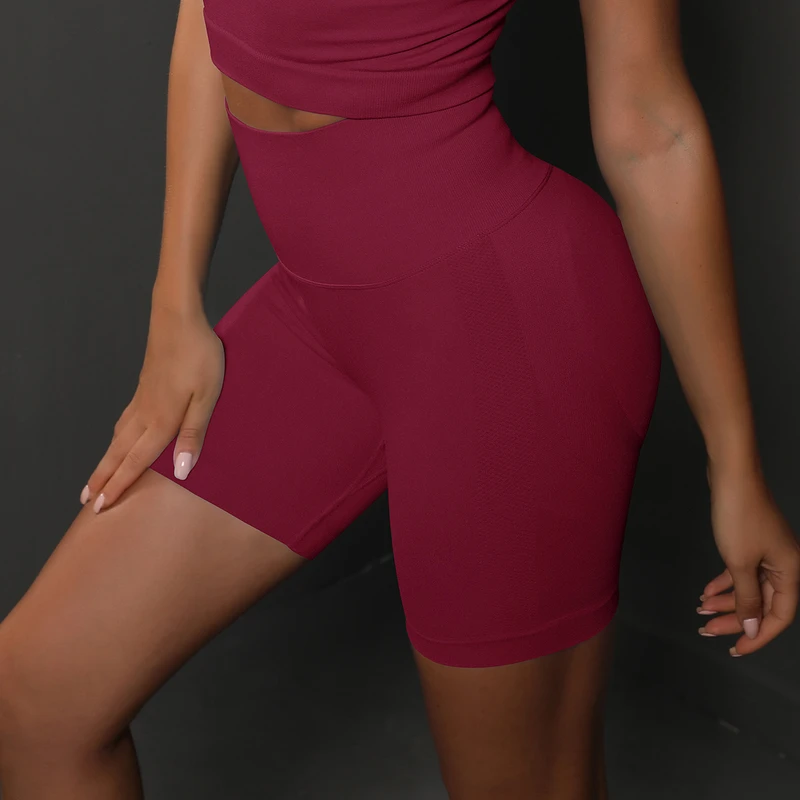
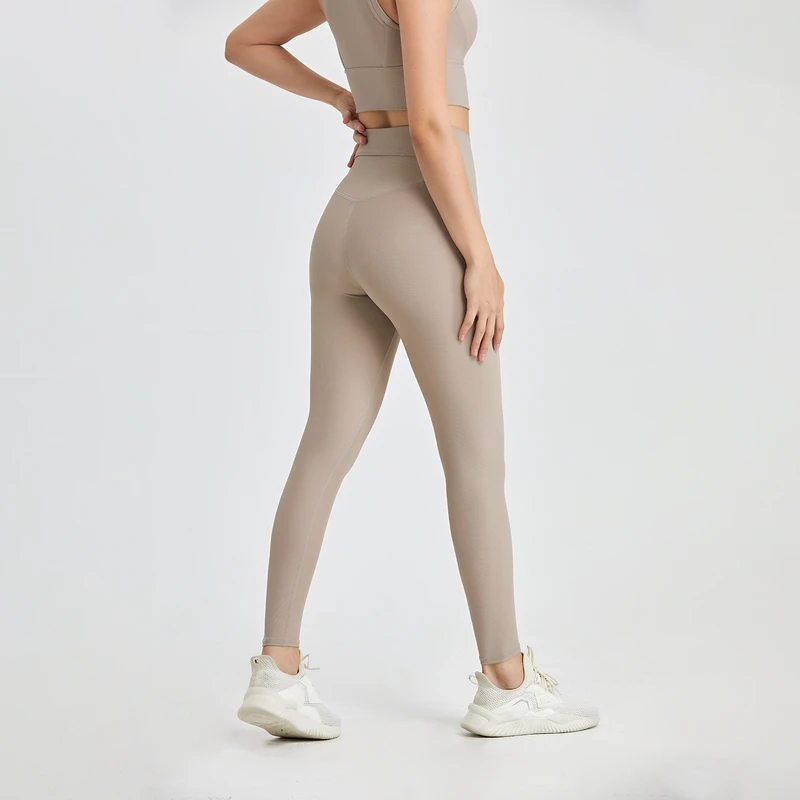
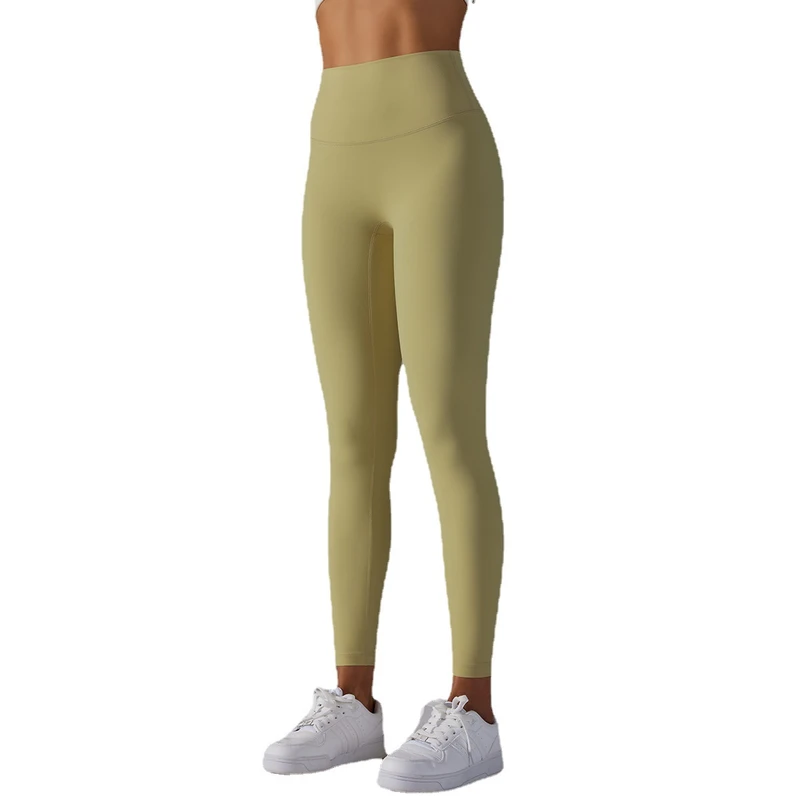
Everything above is about the order rather than the garment. These are the styles it gets applied to.
More guides
The rest of the sourcing library
Written for the person who has to make the sourcing decision, not for a shopper.
How MOQ Works for Yoga Leggings
Why the minimum is usually counted per colour rather than per style, and how to test a design without over-ordering.
Read the guide →Yoga Leggings vs Gym Leggings: What Changes in the Fabric
The same silhouette, two different fabrics. What yoga buyers care about, and what gym buyers will not accept.
Read the guide →How Squat-Proof Is Actually Tested
Opacity is measurable. How buyers verify it before a run rather than after a complaint.
Read the guide →The Private Label Process, Step by Step
From first message to packed carton: what happens at each stage and which decisions block the next one.
Read the guide →