Sourcing guide
Lead Times: Stock, Recolour and New Development
Three routes to a finished order and why they take very different amounts of time.
In this guide
Lead time is usually quoted as a single figure, and a single figure is almost always wrong. There are three distinct routes to a finished order, and they differ from each other by more than most buyers expect. Knowing which route you are on explains most of the variance.
This guide covers the three routes and the decisions that quietly add time to whichever one you are on.
Section 1 of 4
Stock colour from an existing style
The fastest route: the pattern exists, the fabric exists in the colour you want, and nothing has to be dyed. Production is cutting, sewing, finishing and packing, and the only variable is where your order sits in the line.
The limit is choice. You can have any colour the supplier happens to hold, which is rarely the exact colour the brand wanted. This route is best for a first order, a test run, or a repeat of something that already sold.
Section 2 of 4
An existing style recoloured
The pattern still exists, but the fabric has to be dyed to your colour. This adds a dyeing step and brings the dye-lot minimum with it, so the order cannot be arbitrarily small. It also adds a colour approval step, because the dyed fabric has to be checked against the reference before it is cut.
This is the route most private label orders actually take. The time added is not just the dyeing itself but the round trip of sending a swatch, approving it, and only then releasing the fabric to cutting. A buyer who approves the colour quickly saves more time here than a buyer who pushes on production.
Section 3 of 4
A new style from a design
Pattern, fit rounds and fabric sourcing, in that order, and each one has to finish before the next starts. A new block means a first sample, a fit round, a revised sample, and an approval — and if the fabric is also new, the fabric swatch has to be approved before the first sample can even be cut.
This route is where the largest variation lives, and it is unavoidable. Development time is not waste; it is the work that makes the garment fit. The way to keep it short is to make each decision once and make it completely, rather than revisiting the fabric after the fit is agreed.
Section 4 of 4
What buyers can do to shorten it
Decide the fabric before the style. Send the reference garment with the first message rather than the third. Approve the colour standard the day it arrives rather than the week after. Have the label artwork ready before production, because labels are often the last item to arrive and the first to be waited on. And keep the colour count of a first order small, because every additional colour is another dye bath in sequence.
None of those are production steps, and together they usually account for more of the total elapsed time than the sewing does. Lead time is mostly a measure of how quickly the buyer and the maker finish their conversations, not of how fast the machines run.
In short
Ask which route your order is on before asking for a date. Stock colour, recolour and new development differ by more than any supplier can make up for with effort, and the buyer controls a large share of the elapsed time.
Briefing us
Six decisions and the quote is a number
Most quotes stall because one of these is still open. Send all six in one message and the reply carries a unit price, a minimum and a lead time for the quantity you asked about.
Style or reference
A photograph, a sample garment, or a style from the range. A reference piece beats a description.
Fabric
Weight, stretch and hand feel. If you are not sure, ask for the swatch card before choosing.
Colour
A colour reference, a swatch you send, or a stock colour from the range.
Size grade
The size range you sell, and the measurements you need held to.
Quantity per colour
Dyeing carries the minimum, not cutting, so quantity is quoted per colour rather than per style.
Branding and packing
Your woven label, care label, hang tag, and how the cartons should be packed.
How we work
From a brief to a packed carton
Five stages, and each one gates the next. The two that most often need a second round are the fit and the colour, which is why both are approved against a retained standard before production starts.
Brief and fabric
We agree the style, the fabric and the size grade. Nothing is cut until these three are settled.
First sample
A wear-test piece is made in the agreed fabric and colour so the fit can be judged on a body.
Fit round
Rise, waistband depth, inseam and through-the-thigh are adjusted until the fit is right.
Fabric and colour approval
The fabric and the colour are signed off against a retained standard, which is what a repeat order is checked against.
Production and packing
The run is cut, sewn, checked against the approved sample, then labelled and packed.
Before you enquire
The questions buyers ask first
Answered the same way here as they are by email — including the ones where the honest answer is that the number moves with the order.
What is the minimum order quantity?
We do not publish a minimum we cannot hold to. The floor is set by the fabric and the dye lot, so it moves with the colour and the style you choose. Tell us the style, the fabric and the quantity you have in mind and the minimum comes back with the quote.
Can you match a sample we already have?
Yes. Send the garment and we work from it: fabric weight, stretch, rise, inseam and size grade, followed by a wear-test piece before any production run.
Do you make tops and bras as well as leggings?
Yes. Leggings are the main line, with shorts, skirts, tanks, sports bras and matched sets made from the same fabrics so the range reads as one collection rather than a pile of separates.
How long does production take?
It depends on the fabric, the quantity and the season, so it is given per enquiry rather than published as a flat figure. The decisions listed above are the ones that move it most.
Can we use our own label and packaging?
Yes. Woven labels, printed care labels, hang tags and packaging are all part of private label production, and they are quoted with the garments rather than added afterwards.
How is opacity checked before a run?
The fabric is stretched as it would be worn and checked against a contrasting background in daylight. The check is done in the lightest colour in the range, because the fabric that passes in black is the one that fails in white.
From the range
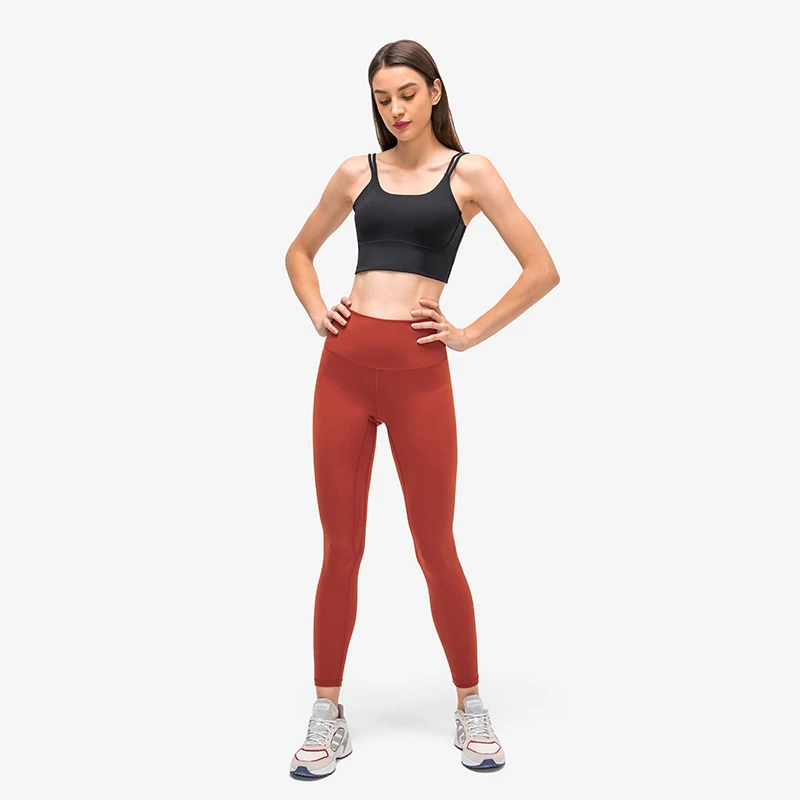
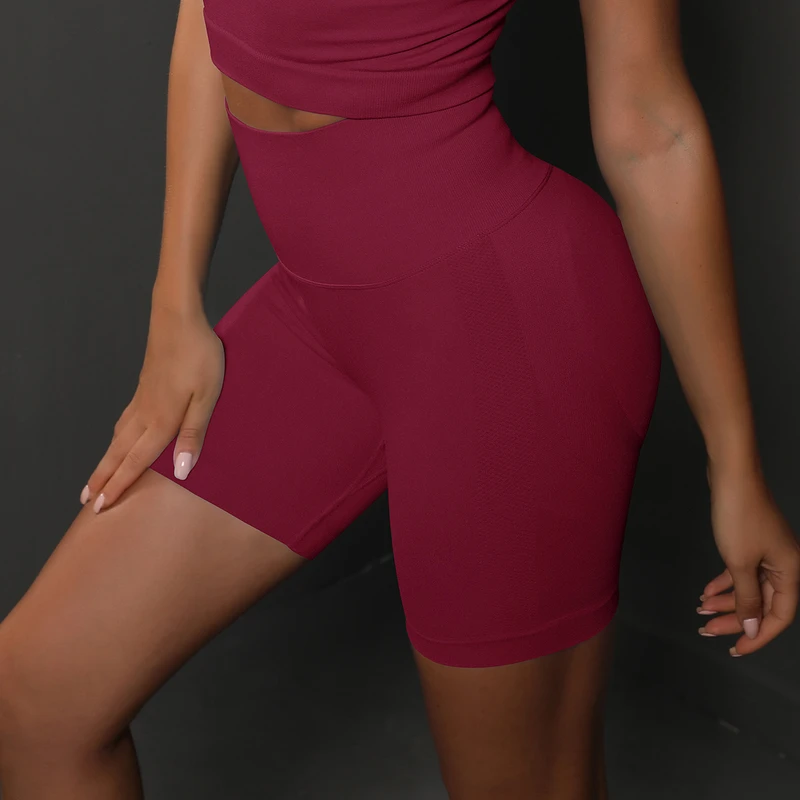
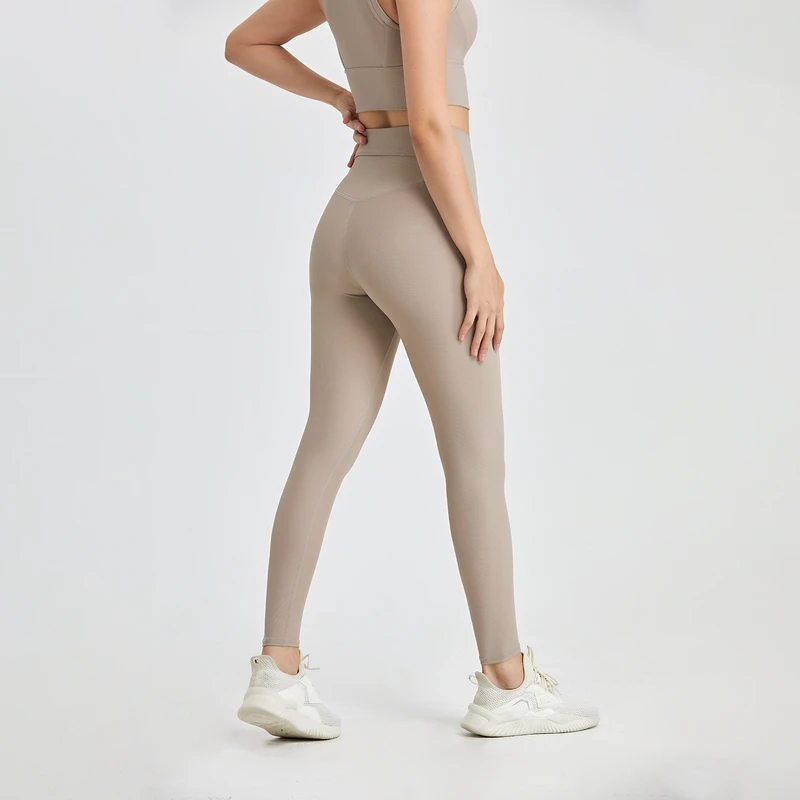
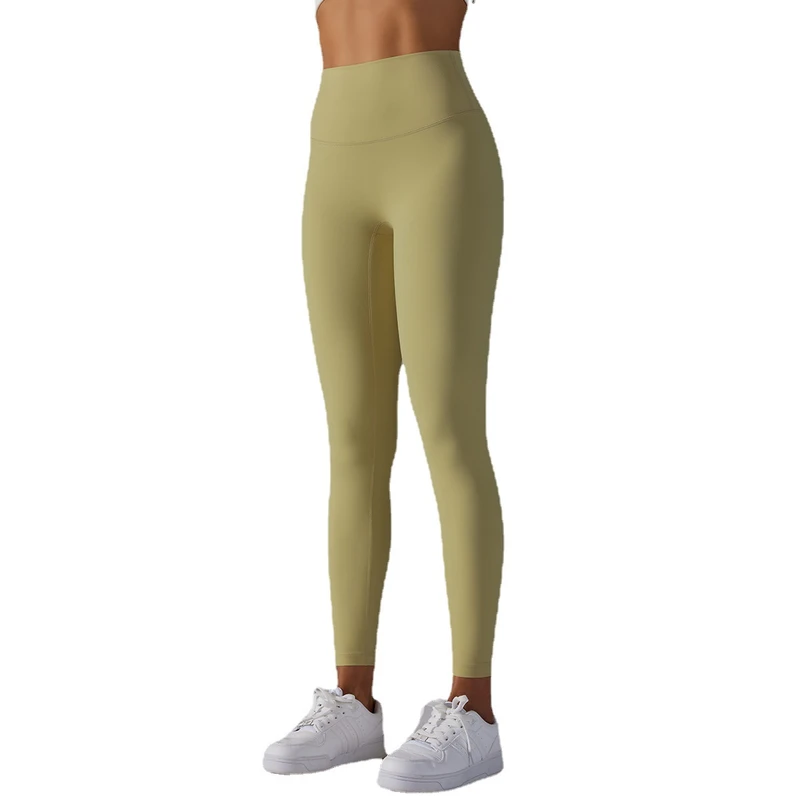
Styles these decisions apply to
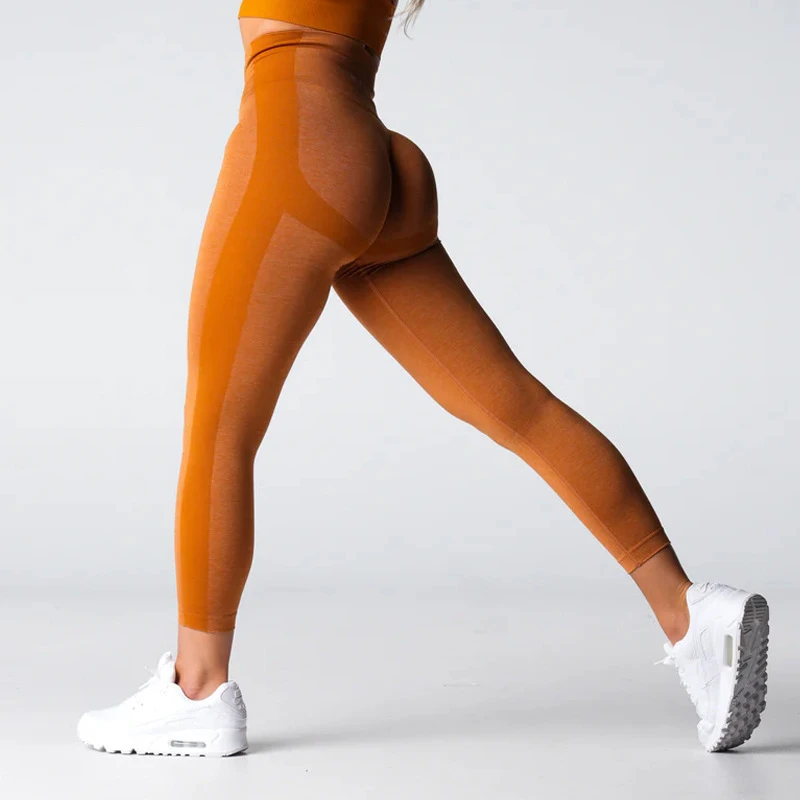
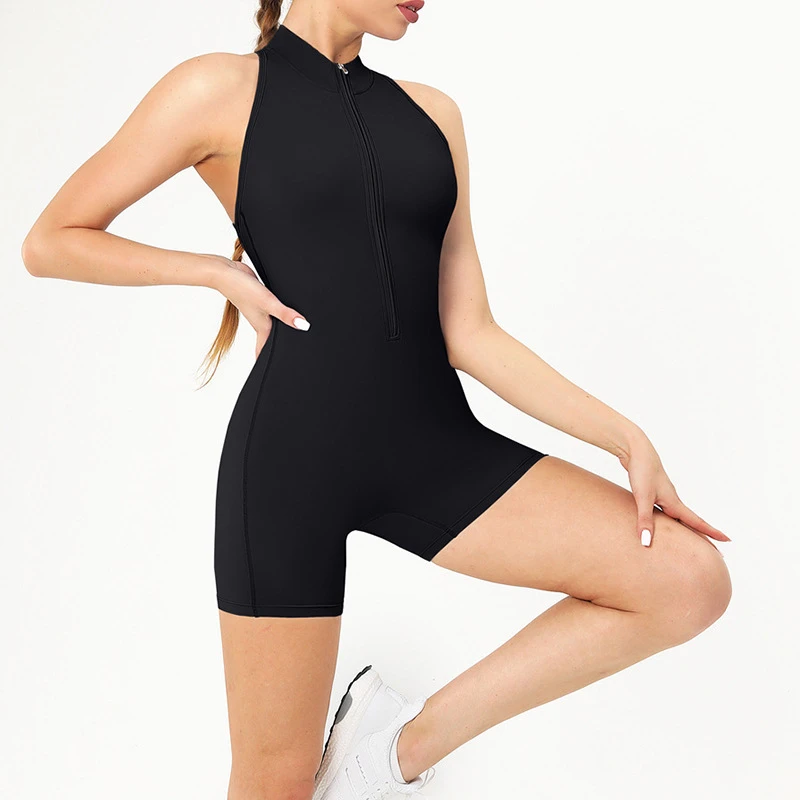
Everything above is about the order rather than the garment. These are the styles it gets applied to.
More guides
The rest of the sourcing library
Written for the person who has to make the sourcing decision, not for a shopper.
How MOQ Works for Yoga Leggings
Why the minimum is usually counted per colour rather than per style, and how to test a design without over-ordering.
Read the guide →GSM and Buttery-Soft Fabric: Reading the Numbers
What fabric weight actually tells you about how a legging feels, and where the description stops being useful.
Read the guide →Yoga Leggings vs Gym Leggings: What Changes in the Fabric
The same silhouette, two different fabrics. What yoga buyers care about, and what gym buyers will not accept.
Read the guide →How Squat-Proof Is Actually Tested
Opacity is measurable. How buyers verify it before a run rather than after a complaint.
Read the guide →