Sourcing guide
The Private Label Process, Step by Step
From first message to packed carton: what happens at each stage and which decisions block the next one.
In this guide
Private label means the product carries your brand rather than the maker's. The garment is bought as a finished, labelled product, and the process from first message to packed carton is a sequence of decisions where each one gates the next.
This guide walks through the stages and, more usefully, points out which decisions hold everything else up when they are made late.
Section 1 of 4
Brief and fabric selection
The brief settles three things: what the garment is, what it is made of, and who it is for in terms of size. Fabric comes first because it constrains everything after it. A heavier compression fabric changes the waistband construction, the stitch types and the size grade, so choosing the style before the fabric often means choosing twice.
The fastest way to brief is a reference garment plus a list of what should change. A reference removes the ambiguity in the words — for example, how high a high waist is — and the change list keeps the supplier from reinterpreting parts of the garment that were already right.
Section 2 of 4
Sampling and fit rounds
One sample round is normal when the pattern already exists and only the colour or the fabric changes. A new block usually takes two, because the first sample is about the fit and the second is about the finish. Buyers who budget for one round and receive two often read the second as a delay rather than as the normal shape of development.
Feedback is where rounds are lost. Comments like 'make it fit better' restart the process, because the supplier has to guess which direction. The comments that close a round name the measurement and the direction: the waist should sit two centimetres higher, the rise at the back should be deeper, the leg should be looser below the knee.
Section 3 of 4
Approving colour and fabric
Approval is a signature against a physical standard: a piece of the actual fabric, in the actual colour, that both sides keep. This matters more than it looks. Colour varies between dye lots, and without a retained standard a repeat order has nothing to be compared against except memory and a photograph taken under unknown lighting.
The standard should be signed in the light it will be judged in, and in the lightest colour of the range if several colours are being made. Approval in one colour does not transfer to another, and it does not transfer to a different fabric.
Section 4 of 4
Production, labelling and packing
Production starts once the sample and the standards are approved. The branding is applied at the finishing stage: woven main label, printed care and composition label, hang tags if the range uses them. Labels are usually the longest lead item in the whole order, which is why the artwork needs to be ready before the fabric arrives rather than after.
Packing is where the order becomes a product. Assortments, solid colour and solid size packing, carton marks and barcodes are all decisions that are cheap to make early and expensive to change once goods are in cartons. If your warehouse scans cartons on arrival, the carton mark should be specified in the brief, not agreed at the end.
In short
Fabric first, then the pattern, then the colour standard, then the labels. The decisions that delay orders are almost never production decisions — they are approvals made after the point where they were needed.
How we work
From a brief to a packed carton
Five stages, and each one gates the next. The two that most often need a second round are the fit and the colour, which is why both are approved against a retained standard before production starts.
Brief and fabric
We agree the style, the fabric and the size grade. Nothing is cut until these three are settled.
First sample
A wear-test piece is made in the agreed fabric and colour so the fit can be judged on a body.
Fit round
Rise, waistband depth, inseam and through-the-thigh are adjusted until the fit is right.
Fabric and colour approval
The fabric and the colour are signed off against a retained standard, which is what a repeat order is checked against.
Production and packing
The run is cut, sewn, checked against the approved sample, then labelled and packed.
Briefing us
Six decisions and the quote is a number
Most quotes stall because one of these is still open. Send all six in one message and the reply carries a unit price, a minimum and a lead time for the quantity you asked about.
Style or reference
A photograph, a sample garment, or a style from the range. A reference piece beats a description.
Fabric
Weight, stretch and hand feel. If you are not sure, ask for the swatch card before choosing.
Colour
A colour reference, a swatch you send, or a stock colour from the range.
Size grade
The size range you sell, and the measurements you need held to.
Quantity per colour
Dyeing carries the minimum, not cutting, so quantity is quoted per colour rather than per style.
Branding and packing
Your woven label, care label, hang tag, and how the cartons should be packed.
Private label
Private label, answered
What do we have to supply?
A style or a reference piece, your size range, your colours and your label artwork. If you only have inspiration images, that is enough to start.
Can we start with a small trial run?
Yes, and it is the usual way a first order runs. The minimum is set by the fabric and the dye lot, so the colour you choose decides how small the trial can be.
Who owns the pattern?
Patterns developed for your order are used for your orders. If you want that in writing, say so and it goes in the quotation.
Can you ship under our brand only?
Yes. Nothing about the order carries our name unless you ask for it — labels, tags and cartons are yours.
From the range
Styles these decisions apply to
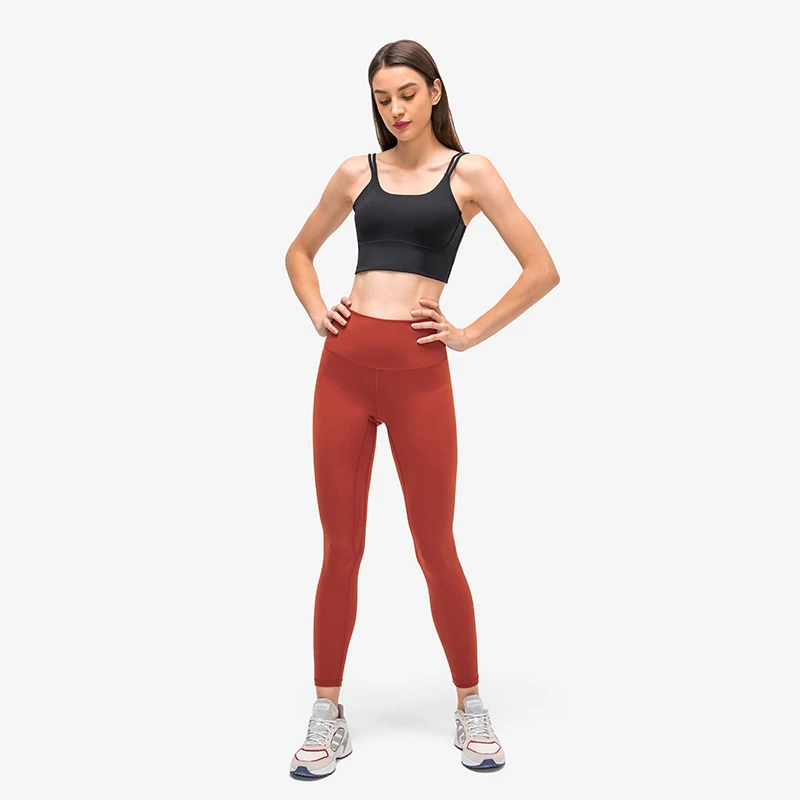
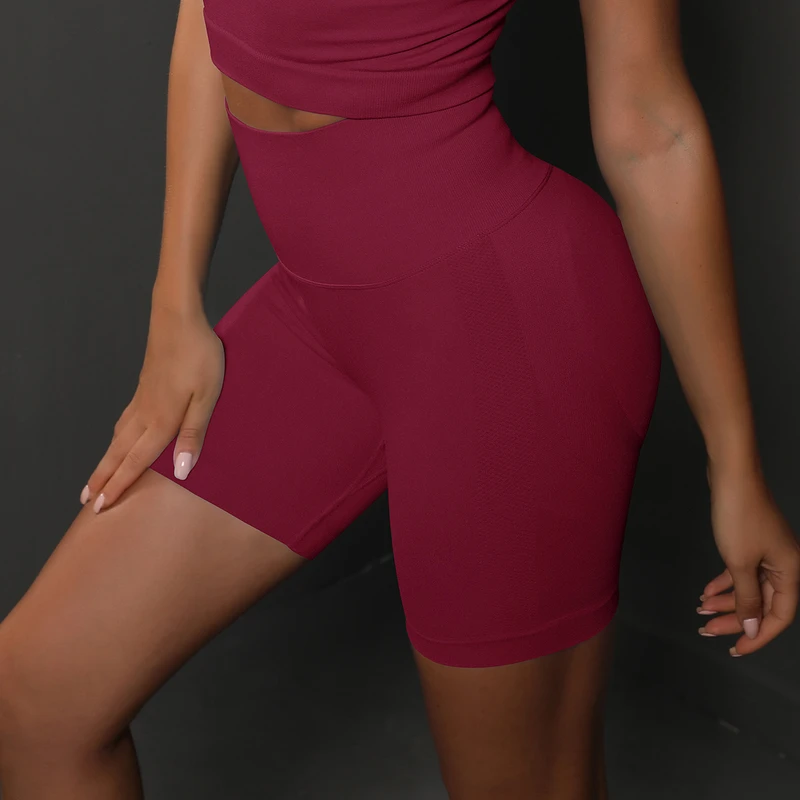
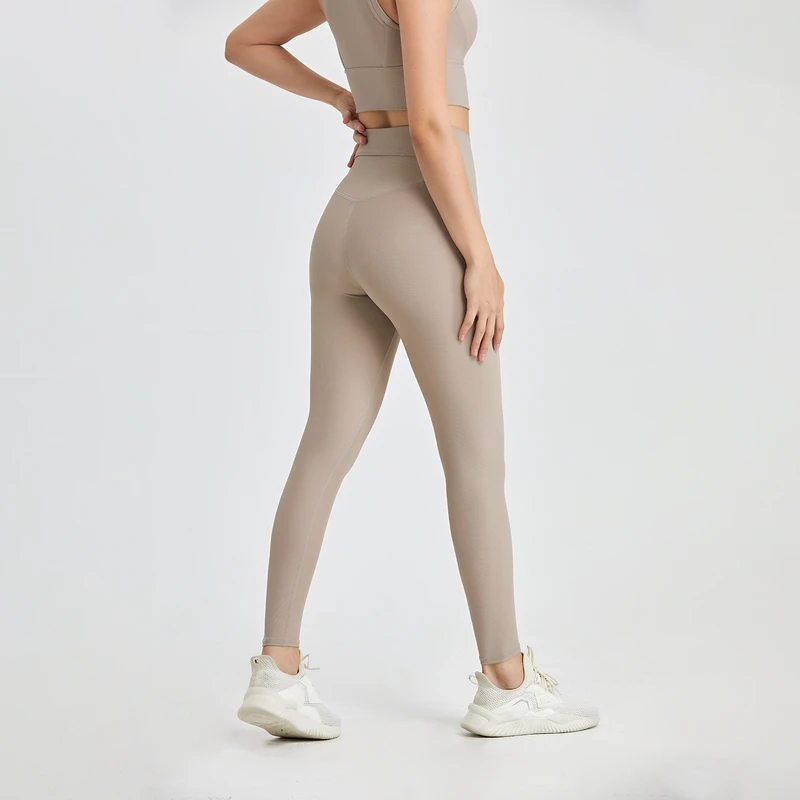
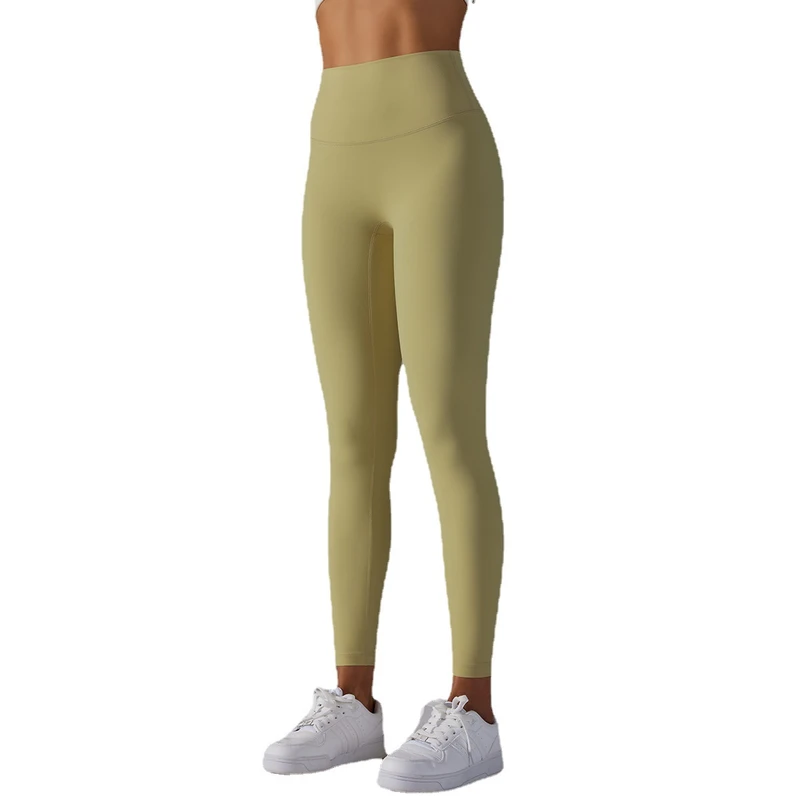
Everything above is about the order rather than the garment. These are the styles it gets applied to.
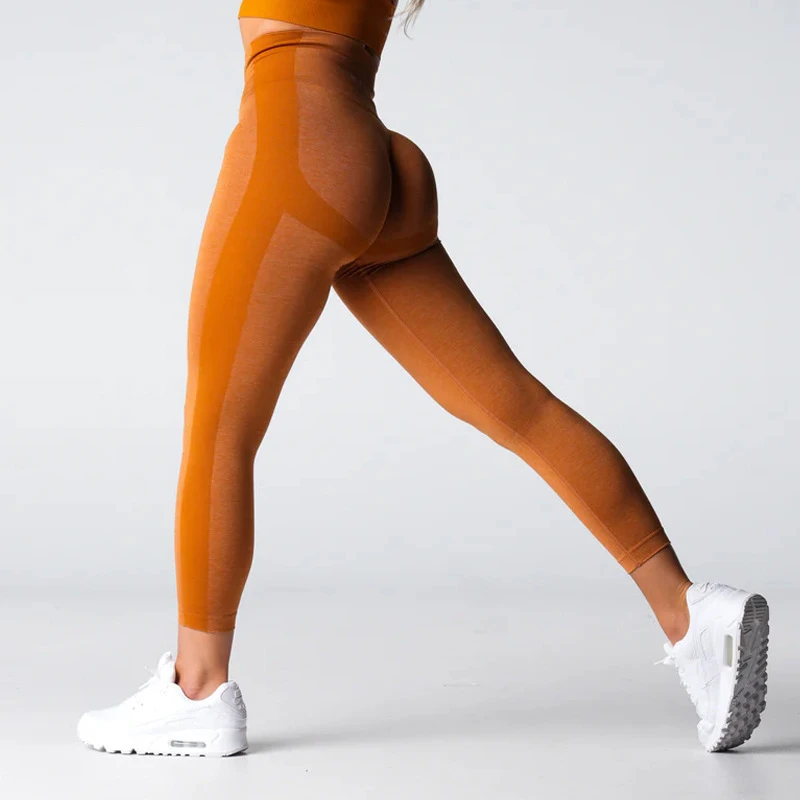
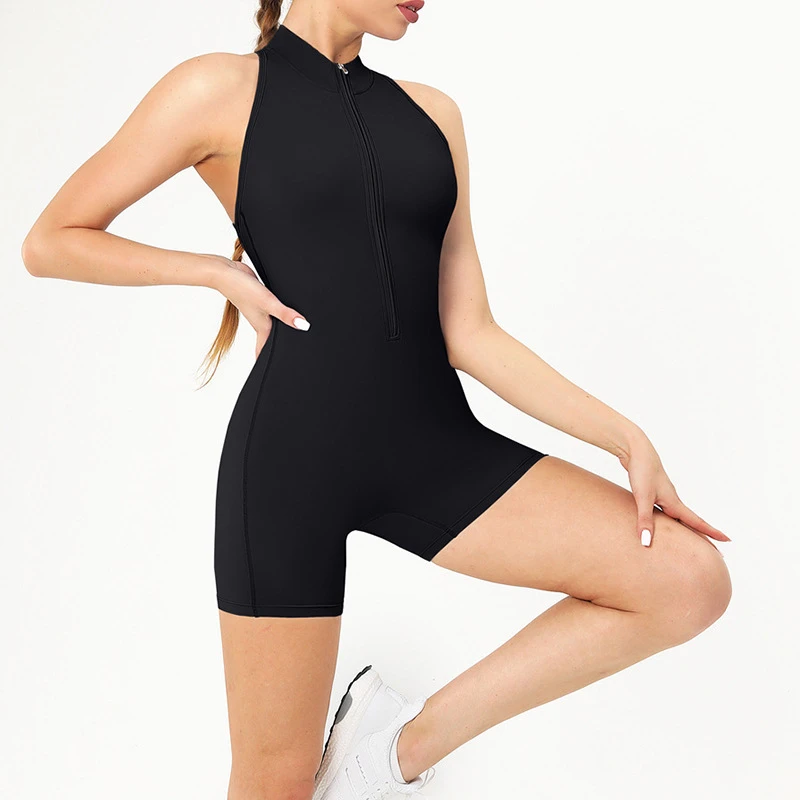
More guides
The rest of the sourcing library
Written for the person who has to make the sourcing decision, not for a shopper.
How MOQ Works for Yoga Leggings
Why the minimum is usually counted per colour rather than per style, and how to test a design without over-ordering.
Read the guide →GSM and Buttery-Soft Fabric: Reading the Numbers
What fabric weight actually tells you about how a legging feels, and where the description stops being useful.
Read the guide →Yoga Leggings vs Gym Leggings: What Changes in the Fabric
The same silhouette, two different fabrics. What yoga buyers care about, and what gym buyers will not accept.
Read the guide →How Squat-Proof Is Actually Tested
Opacity is measurable. How buyers verify it before a run rather than after a complaint.
Read the guide →