Fabrics
Yoga Leggings Fabric Library
The parameters that decide whether a legging feels soft, stays opaque and keeps its shape.
What this covers
Fabrics, in detail
The points below are the ones that come up in the first conversation. Anything that depends on your order — the minimum, the lead time, the price — is quoted rather than published, because it moves with the fabric and the colour.
Why we publish parameters
Soft, squat-proof and buttery are descriptions. Weight, stretch and opacity are numbers you can hold a supplier to, so we work in numbers.
What we specify
Composition, weight in grams per square metre, stretch direction and recovery, and opacity under stretch.
Sampling
Fabric can be felt before a full run. Ask for a swatch card with the current options.
Fabrics
What the fabric is specified in
Four parameters decide whether a legging feels right and stays opaque. They are agreed before sampling so the first sample is judged against a number rather than an impression.
Why we publish numbers
Descriptions are not specifications
Soft, squat-proof and buttery are descriptions that two people can read differently in the same room. Weight, stretch, recovery and opacity are numbers, and a number can be checked against a delivery.
Every sourcing argument we have seen came from a word doing two jobs. Writing the parameter down before the sample round costs nothing and removes the argument later.
Buyer vocabulary
The words in a brief, and what they measure
Most sourcing disagreements come from a word meaning one thing to a buyer and another to a workshop. These are the terms that come up most, with the measurement behind each one.
Fabric
Fabric questions, answered
Is a heavier fabric always less see-through?
No. Weight and opacity are different measurements, and a heavy fabric can still go sheer over a light colour. Opacity has to be checked under stretch.
What makes a legging feel buttery?
The yarn, the brushing and the finish applied at the mill. Two fabrics at the same GSM can feel completely different, which is why a swatch beats a specification on its own.
Can you match a fabric we already use?
Send a piece of it. Weight, stretch and composition can be matched or brought close, and the swatch is checked against your reference before sampling.
Do you offer recycled options?
Recycled and lower-impact fabrics are available as options. A certification can only be claimed where the mill supplies it, so it is confirmed per fabric rather than assumed.
Before you enquire
The questions buyers ask first
Answered the same way here as they are by email — including the ones where the honest answer is that the number moves with the order.
What is the minimum order quantity?
We do not publish a minimum we cannot hold to. The floor is set by the fabric and the dye lot, so it moves with the colour and the style you choose. Tell us the style, the fabric and the quantity you have in mind and the minimum comes back with the quote.
Can you match a sample we already have?
Yes. Send the garment and we work from it: fabric weight, stretch, rise, inseam and size grade, followed by a wear-test piece before any production run.
Do you make tops and bras as well as leggings?
Yes. Leggings are the main line, with shorts, skirts, tanks, sports bras and matched sets made from the same fabrics so the range reads as one collection rather than a pile of separates.
How long does production take?
It depends on the fabric, the quantity and the season, so it is given per enquiry rather than published as a flat figure. The decisions listed above are the ones that move it most.
Can we use our own label and packaging?
Yes. Woven labels, printed care labels, hang tags and packaging are all part of private label production, and they are quoted with the garments rather than added afterwards.
How is opacity checked before a run?
The fabric is stretched as it would be worn and checked against a contrasting background in daylight. The check is done in the lightest colour in the range, because the fabric that passes in black is the one that fails in white.
From the range
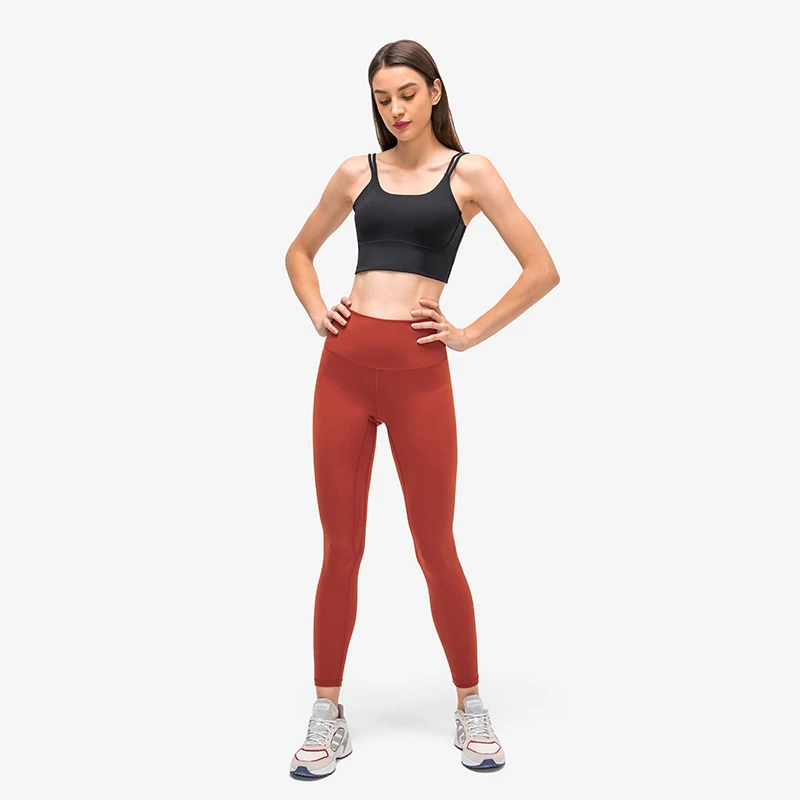
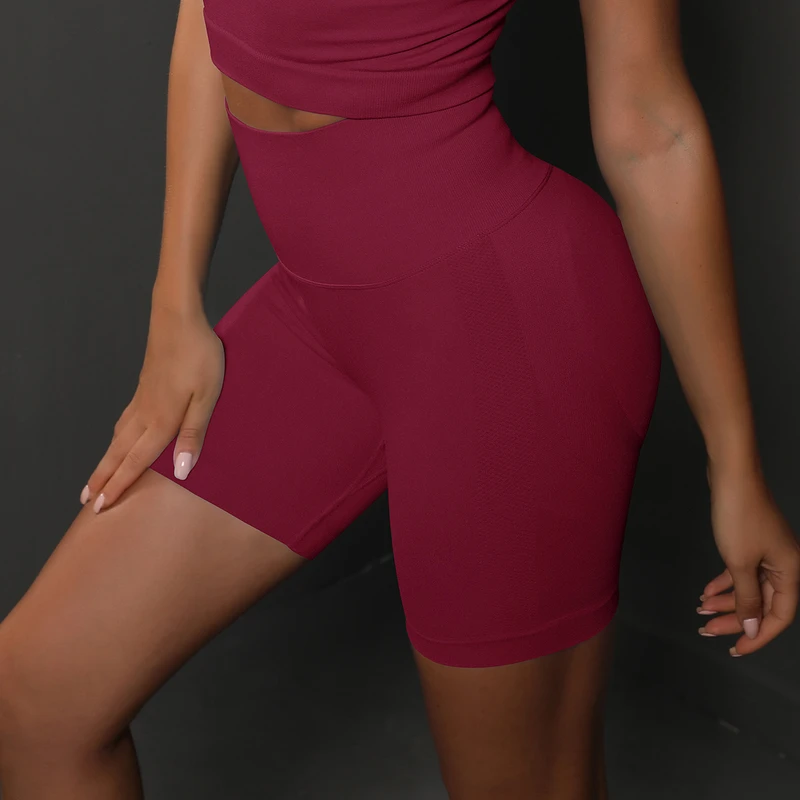
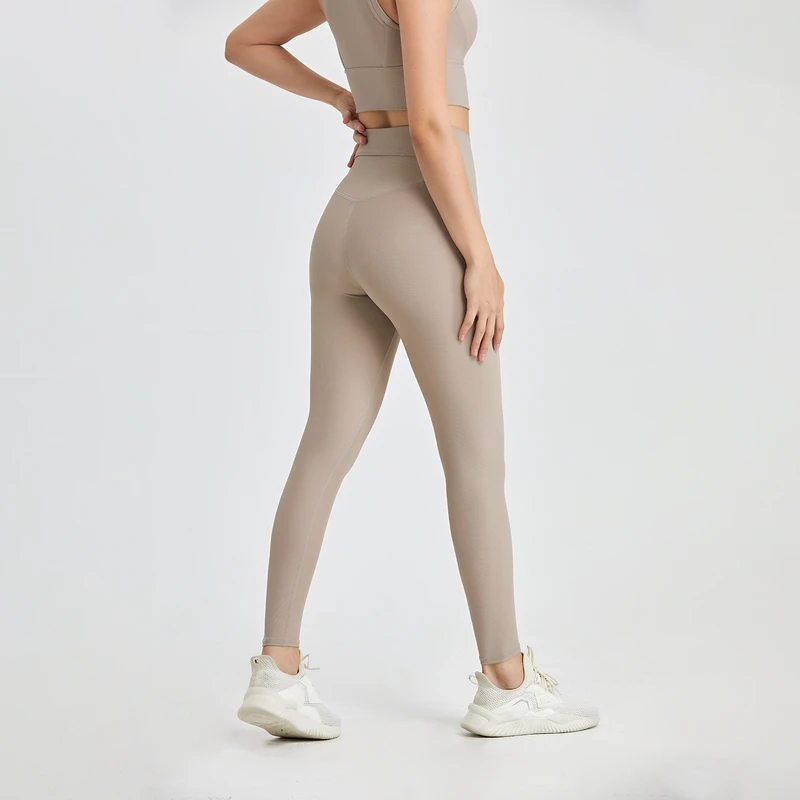
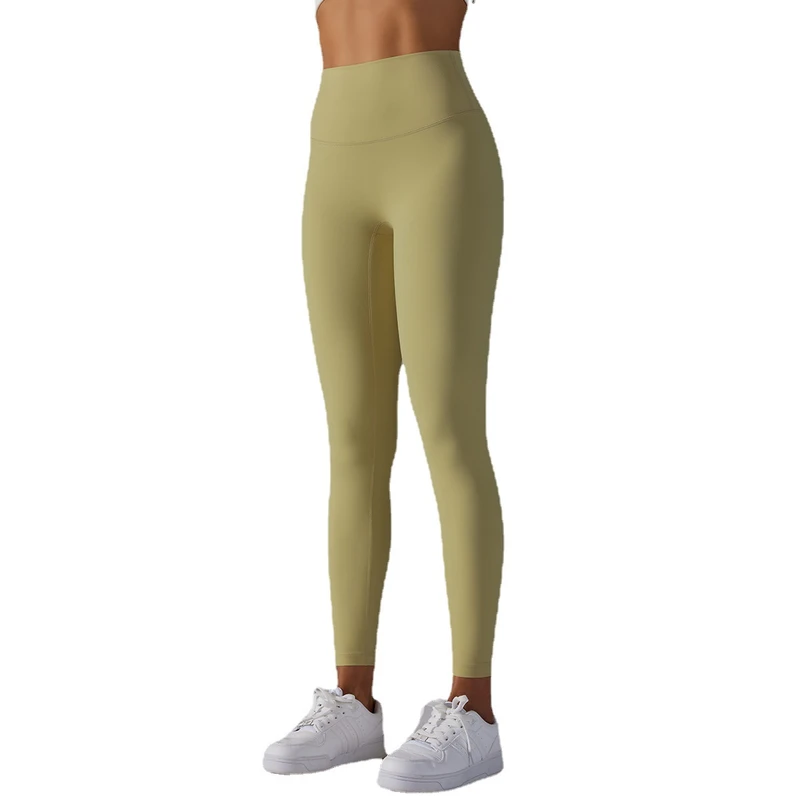
Fabrics applies to every style in the range
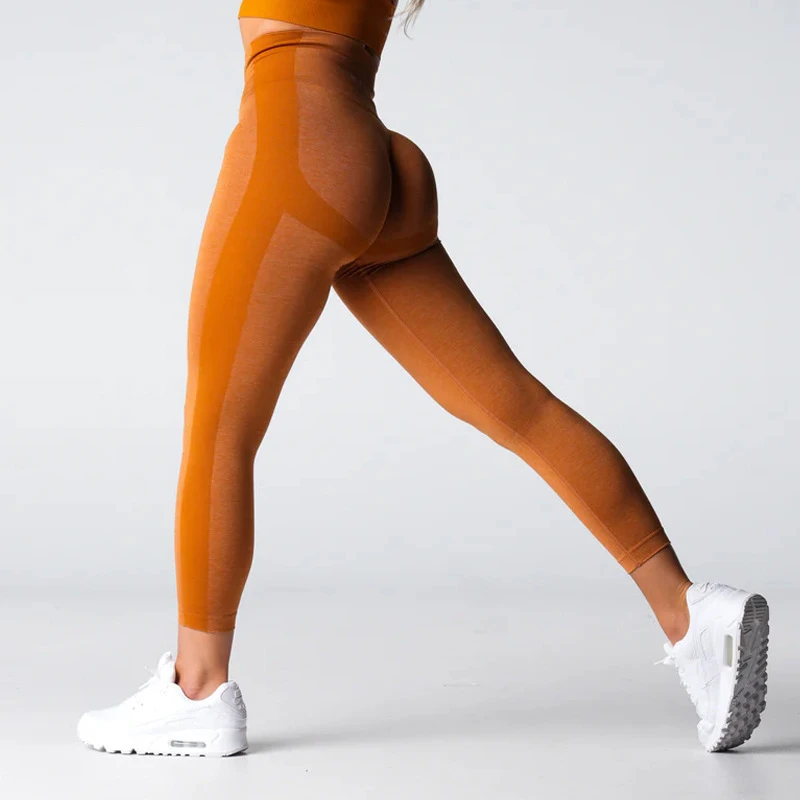
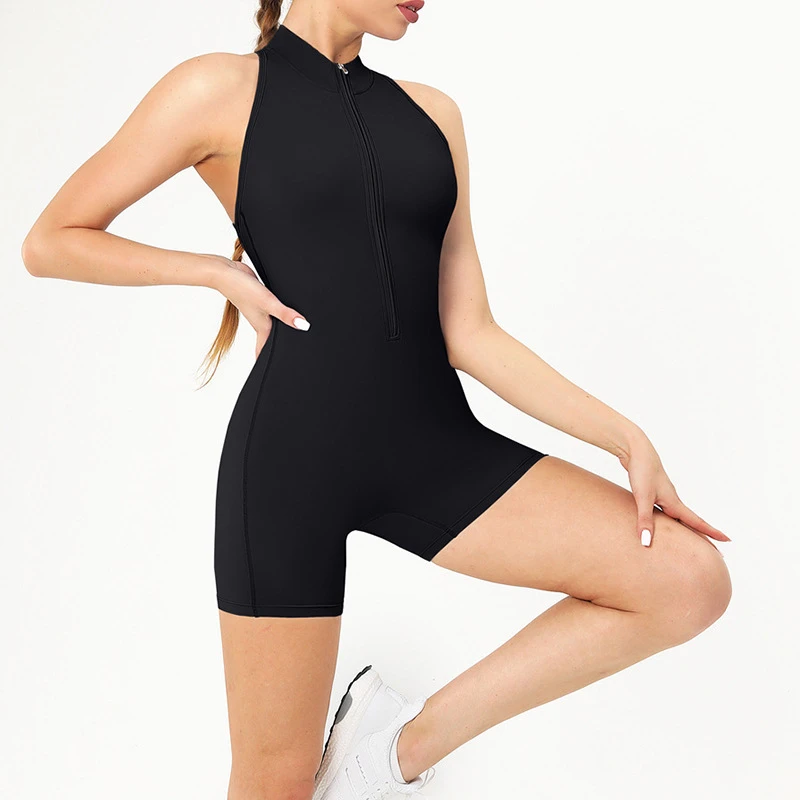
The capability pages describe how the work is done. These are the styles it is done to — each one opens on its own page with the colours on file.
Related
Other pages on how we work
Private Label
Your label, your colours, your packaging. The most common way brands start with us.
Read more →OEM / ODM
Bring us a design and we build to it, or pick a style from the range and change the fabric, colour, print or trims — the quicker route when you are testing a category.
Read more →Customisation
A clear list of everything that can change — fabric, colour, print, fit, size grade and branding — so the whole brief can go in one message instead of five.
Read more →Our Factory
How the workshop is organised, who is responsible for what, and what we will show you — photographs and a walkthrough — before you place an order.
Read more →Quality Control
What gets checked before a carton is closed and how each check is done: fabric weight and stretch, colour under standard lighting, opacity under stretch, stitching, and the graded fit.
Read more →About Us
A yoga wear workshop making leggings for brands rather than for a marketplace listing.
Read more →